
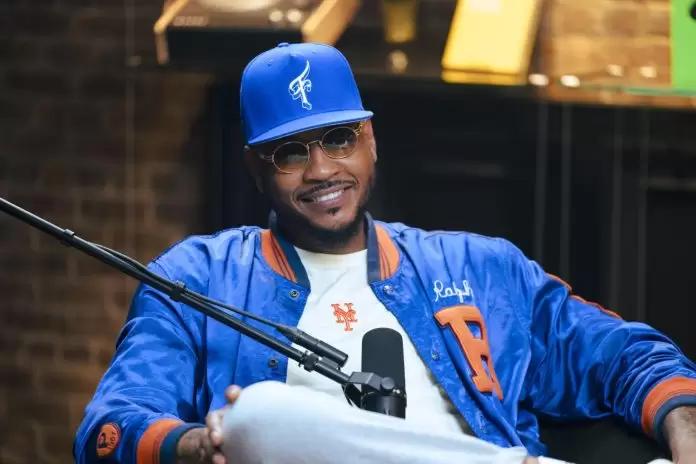
NBA legend Carmelo Anthony explained his decision to enter the cannabis industry, pointing to his upbringing, the legal consequences people in his community faced over marijuana, and the NBA’s historically strict policies regarding its use.
Anthony said his interest in cannabis goes beyond recreational purposes or potential business opportunities.
Growing up, he witnessed people he knew being arrested and imprisoned for marijuana-related offenses, experiences that influenced how he viewed the substance.
When he eventually reached the NBA, Anthony encountered another set of restrictions surrounding cannabis.
He questioned why players could face serious disciplinary consequences for marijuana use while other substances were treated differently.
The former NBA star believes those policies contributed to a negative perception of cannabis that was not always supported by scientific evidence.
Anthony argued that discussions about cannabis should focus more on research and available data rather than longstanding assumptions.
He also pointed to the relationship between professional sports and alcohol companies, questioning why leagues could openly promote brands such as Bud Light while maintaining restrictions on marijuana.
According to Anthony, he had considered entering the cannabis industry for several years but was initially unable to pursue the opportunity because of legal restrictions.
His interest increased during his time with the Portland Trail Blazers, where he played from 2019 to 2021.
Anthony was already involved in the wine business and began recognizing similarities between wine production and cannabis cultivation, particularly regarding soil quality, agricultural practices, and growing conditions.
That connection helped him approach cannabis as an agricultural product rather than simply a recreational substance.
Anthony saw the cannabis industry as another business opportunity and a chance to address issues he had witnessed growing up.
He believes cannabis policies should be based on scientific evidence, particularly given that many people previously received criminal penalties for activities that are now legal in parts of the United States.