
India has long been synonymous with cricket. From the roar of packed stadiums during the IPL to the nation uniting for World Cup matches, cricket is more than just a sport—it’s a cultural phenomenon. Generations have grown up idolizing legendary players like Sachin Tendulkar, Virat Kohli, and M.S. Dhoni, debating stats over chai, and dreaming of their favorite team lifting the trophy. Cricket in India isn’t just about the matches; it’s about national pride, community gatherings, and even local festivals being timed around major tournaments. The IPL, in particular, has transformed cricket into a media spectacle, blending sport with entertainment and attracting global attention.
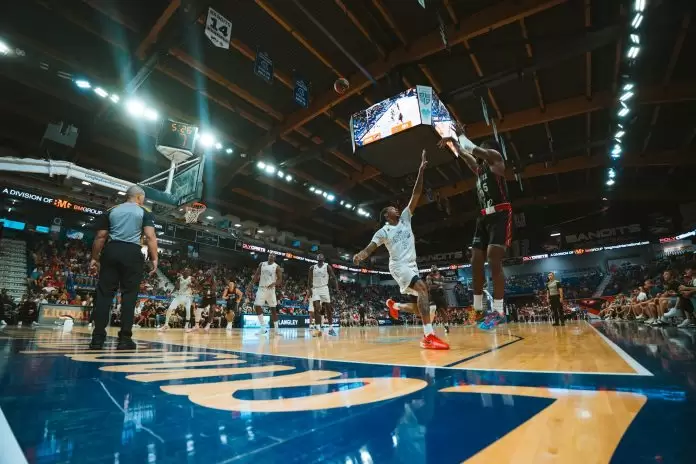
Yet, despite this long-standing dominance, a new contender is quietly making waves: basketball. With the NBA’s growing presence in India, the sport has moved far beyond occasional exposure and into a structured push for long-term growth. Over the past decade, the league has invested heavily in grassroots development through initiatives like the NBA Academy India and junior training camps, giving young players access to professional coaching and pathways into the global game. High-profile preseason games in Mumbai, visits from NBA stars, and collaborations with Indian brands have further raised the sport’s visibility. At the same time, digital platforms and social media have made it easier than ever for fans to follow teams, watch highlights, and engage with players in real time. Streaming services now bring live NBA and EuroLeague games directly to Indian audiences, removing barriers that once limited access. Together, these efforts have helped basketball transition from a niche interest into a rapidly growing sport, particularly among urban youth who are drawn to its pace, style, and global appeal. The real question is whether this momentum is strong enough to challenge cricket’s decades-long reign.
Cricket vs Basketball – Shifting Fan Trends and Growth of Basketball
Cricket has long been India’s most popular sport, but recent research shows that its dominance is slowly easing among younger audiences. According to Nielsen Fan Insights 2025, the percentage of Indians aged 18–30 who follow cricket fell from 75 % in 2019 to around 70 % in 2025, signaling a modest decline in enthusiasm among this key demographic. In contrast, basketball is steadily gaining traction with this same age group, with interest rising from 39 % to 43 %, making it one of the fastest-growing sports among urban youth.
Schools and colleges are increasingly incorporating basketball programs, while local street leagues and university competitions provide more opportunities for young players to develop. NBA India outreach programs, social media highlights, and streaming platforms are also driving awareness and engagement, allowing fans to follow international leagues and favorite players closely. Participation in local leagues and street basketball has grown, highlighting a generational shift in India’s sports culture. While cricket still dominates in absolute numbers, basketball’s rising popularity among urban youth demonstrates a clear trend: younger fans are exploring fast-paced, dynamic sports that offer both entertainment and global appeal.
Data-Driven Insights Keep Cricket Engaging
Cricket’s staying power in India isn’t just about history—it’s about how the sport has evolved with its audience. In a landscape where basketball and other fast-paced sports are gaining attention, cricket has adapted by becoming more analytical and interactive. Fans today don’t just watch matches; they break them down. Access to tools available on IndiaFantasy makes it easier to turn complex match situations into simple, actionable insights, giving viewers a clearer understanding of how games are won and lost.
MORE FOR YOU
From strike rates and bowling variations to pitch reports and matchups, modern cricket is driven by detail. Major competitions like the IPL and T20 World Cup are followed not only for entertainment but for the layers of strategy behind every decision. Fans track player form, compare team combinations, and anticipate turning points before they happen. It’s this analytical depth that keeps cricket engaging, even as shorter, faster sports like basketball appeal to new audiences.
What sets cricket apart is how naturally it blends emotion with analysis. A six in the final over still delivers pure excitement, but it’s now backed by context—run rates, probabilities, and tactical decisions that fans actively discuss in real time. This level of engagement mirrors what basketball offers through advanced stats and game breakdowns, but cricket has had more time to embed it into its culture.
In many ways, this data-driven evolution is what keeps cricket ahead. While basketball is growing in India through accessibility and pace, cricket continues to offer a richer, more layered experience—one where every moment can be felt, studied, and debated long after the game ends.
Conclusion – A Sporting Future with Options
While cricket’s dominance in India remains strong, the rise of basketball signals an exciting diversification in the country’s sports culture. With growing youth interest, urban participation, and tools that allow fans to engage deeply with games, basketball is carving out a meaningful presence alongside cricket. Cricket may continue to dominate in terms of sheer numbers and cultural weight, but basketball’s increasing popularity among younger audiences suggests that India’s sports landscape is evolving.
As highlighted by the global governing body FIBA, basketball’s international growth is being driven by grassroots development and increased accessibility—two factors that are clearly visible in India today. Fans now have more choices, more ways to interact with games, and a richer experience across multiple sports. For the next generation, following cricket and exploring basketball aren’t mutually exclusive—they represent two sides of a more dynamic, globalized sporting identity in India. As basketball continues to grow and cricket adapts with analytics and engagement tools, India’s sports fans are poised to enjoy a broader, more immersive sporting future.