

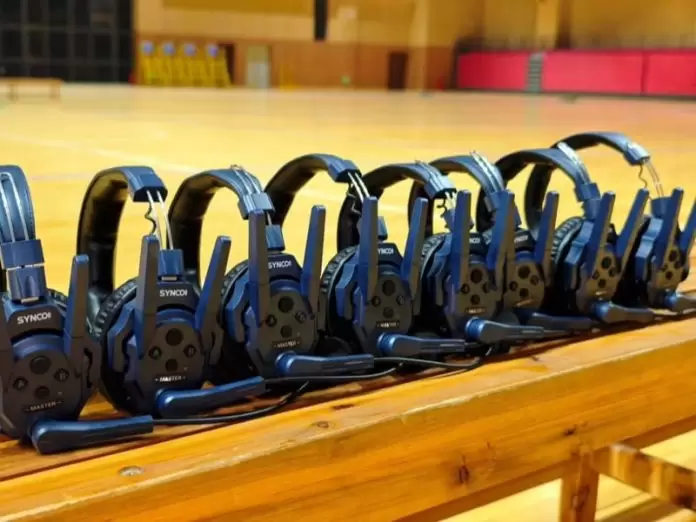
Communication has always been a key factor in basketball performance. From professional leagues to school teams, coaches and support staff must exchange information quickly and clearly to stay competitive. In recent years, more organizations have started using wireless two-way communication headsets to create smoother coordination on the sidelines and during training sessions.
Improving real-time coaching collaboration
Basketball is a fast-paced sport where situations can change within seconds. Coaches often need to adjust defensive coverage, change offensive plays, or manage player rotations immediately. With a wireless communication headset, head coaches can stay connected with assistant coaches, performance analysts, and medical staff without delays. This real-time connection helps teams make smarter tactical decisions and react more confidently during crucial game moments.
Supporting clear communication in loud arenas
Game environments are rarely quiet. Crowds, music, and court-side announcements can easily interrupt verbal communication. Wireless intercom headsets help reduce these challenges by providing stable audio transmission and noise reduction features. When coaching teams use wireless two-way communication headsets, they can maintain consistent discussions even in high-pressure playoff atmospheres. This clarity ensures that important instructions are delivered accurately and understood by every member of the staff.
Enabling natural conversation through advanced technology
One of the most important features in modern systems is full duplex wireless headset communication. This technology allows multiple users to speak and listen at the same time, creating a more natural and efficient dialogue. Instead of waiting for turns or pressing buttons, coaching staff can share observations continuously as plays develop. This advantage is particularly useful during defensive transitions, fast breaks, and end-of-game strategy planning.
Enhancing practice efficiency and player development
The benefits of wireless two-way communication headsets extend beyond official matches. During daily training sessions, coaches can spread across different areas of the court while staying fully connected. For example, shooting coaches, conditioning trainers, and tactical coordinators can communicate instantly to monitor drills and adjust workloads. Reliable wireless 2 way communication headsets also help teams run complex practice routines with better timing and organization.
Key factors to consider when choosing communication systems
Selecting the best wireless two-way communication headsets requires careful evaluation of several practical factors. Teams should look at transmission range, battery endurance, wearing comfort, and durability for indoor and outdoor use. In addition, compatibility with existing coaching workflows can influence the overall user experience. Well-designed systems allow quick setup and stable performance, which is essential during busy tournament schedules and travel-intensive seasons.
Building stronger teamwork and competitive advantage
Effective communication tools can significantly improve collaboration among coaching staff. By using wireless two-way communication headsets, teams create a structured information flow that supports faster reactions and clearer leadership. Two way wireless communication headsets can also reduce stress during critical moments because coaches feel more confident that their instructions are being shared correctly. Over time, this improved coordination contributes to better strategic execution and stronger on-court chemistry.
MORE FOR YOU
Preparing for the future of smart sports communication
As basketball continues to evolve with analytics and performance technology, communication equipment is becoming an important part of modern team infrastructure. Investing in a professional wireless communication headset solution helps organizations stay aligned with this trend. From youth development programs to elite competitions, adopting reliable wireless systems allows coaching teams to operate more efficiently and focus on what matters most, which is guiding players toward consistent performance improvement.
In conclusion, the growing adoption of wireless two-way communication headsets reflects the increasing demand for speed, clarity, and flexibility in basketball environments. Teams that prioritize advanced communication solutions are better positioned to handle the tactical complexity and intensity of today’s game.