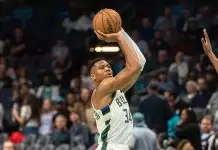

The Milwaukee Bucks have quietly signaled around the league that they are exploring ways to strengthen the roster built around Giannis Antetokounmpo.
With the franchise cornerstone reaffirming his long-term commitment to Milwaukee, the front office now has the freedom to examine aggressive upgrade paths without the pressure of uncertainty hanging over the organization.
That clarity allows general manager Jon Horst to evaluate opportunities across the league rather than limiting discussions to minor adjustments.
Much of the focus centers on the backcourt, where additional shot creation and offensive variety could ease the workload on Antetokounmpo during the regular season and become critical in playoff settings.
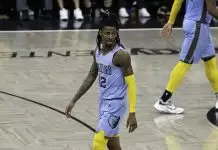
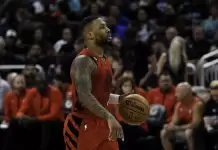
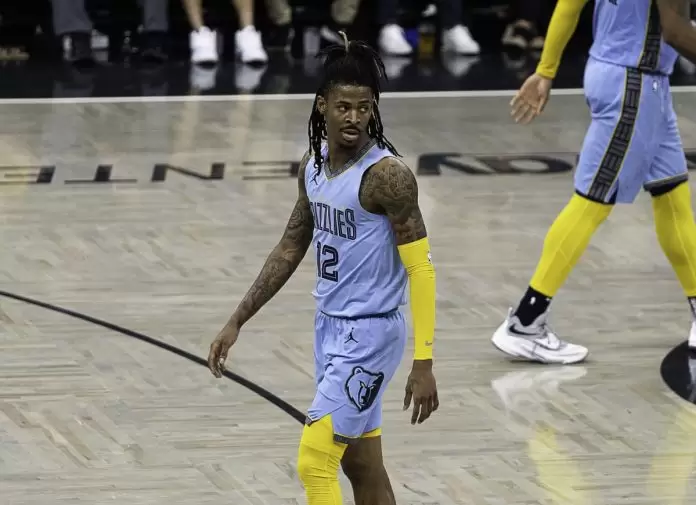
Two names that have surfaced in league conversations are Ja Morant and Zach LaVine, both of whom would immediately change the offensive profile of Milwaukee’s perimeter.
The situation involving Morant is particularly notable because the Memphis Grizzlies are reportedly willing, for the first time since drafting him in 2019, to listen to trade proposals.
Memphis is believed to be prioritizing future-oriented assets such as young players and draft capital.
That structure presents a challenge for Milwaukee, which has limited draft flexibility and few developmental prospects to offer.
Any realistic framework would likely rely on movable veteran contracts and creative salary matching rather than the traditional rebuild package Memphis may prefer.
LaVine represents a different type of calculation. The Sacramento Kings are said to be open to discussions involving the veteran scorer, largely with an eye toward avoiding long-term financial commitments.
LaVine’s contract carries a significant financial weight, including a massive salary this season and a player option approaching fifty million dollars in 2026–27.
For Milwaukee, the appeal lies in his proven ability to score at all three levels and operate both on and off the ball.
The challenge would be constructing a deal that sends out shorter-term contracts while absorbing the long-term cost without crippling future flexibility.
Bucks Interested In Zach LaVine, Ja Morant https://t.co/E0cCk1Tr6J
— RealGM (@RealGM) January 11, 2026