


For many European clubs, the Basketball Champions League is more than just another tournament — it’s a gateway to greater recognition, financial growth, and the chance to compete against some of the continent’s most established teams. Yet the road to the main stage is far from easy. The qualifying tournaments act as a high-stakes battleground, where ambition collides with pressure and only the most resilient squads advance.
Unlike the regular season, the qualifiers demand instant impact. Teams don’t have the luxury of time to build chemistry or recover from mistakes; instead, every possession, every defensive stand, and every clutch shot can determine their European destiny. For some clubs, qualification is a validation of years of planning and investment, while for others it represents a rare opportunity to step into the spotlight and test themselves against elite opposition.
The format is unforgiving, but it’s also what makes the journey so compelling. Fans get to witness intense basketball right from the start of the campaign, often featuring dramatic finishes, underdog surprises, and breakout performances. For the players, it’s a chance to etch their names into club history before the main tournament even tips off. And for sports bettors it’s a chance to tempt the fortune. Before starting a betting journey, it’s important to check the betting tips and tricks from a reliable source, like MelBet GuideBook. Websites like that give useful tips and tricks on how to bet with the best outcome.
In essence, the road to the Basketball Champions League is where stories begin — stories of perseverance, unexpected triumphs, and the relentless pursuit of a place among Europe’s basketball elite.
Format of the Qualifying Tournaments
The Basketball Champions League qualifying tournaments are designed to be short and intense. Dozens of hopeful clubs from across Europe enter this stage, but only a select few will earn their ticket to the main competition. The format typically features a knockout structure, where teams must survive single-elimination rounds or mini-brackets hosted in neutral venues. This condensed system means there’s no room for slow starts — one bad night can erase months of preparation.
Each matchup carries immense pressure, as the games not only decide who advances but also who misses out on European exposure for an entire season. Clubs often treat these qualifiers with the urgency of a final, fielding their strongest lineups and pushing their stars to deliver peak performances. Fans, in turn, are treated to high-intensity basketball that often matches the drama of the later stages of the BCL itself.
From a broader perspective, the qualifiers add layers of intrigue for analysts and stakeholders around the sport. For instance, a betting agent might view these tournaments as unpredictable goldmines, where underdogs can spring surprises and change the odds landscape overnight. This unpredictability makes the qualifiers a focal point not only for fans but also for those following the sport’s competitive ecosystem closely.
MORE FOR YOU
Ultimately, the format of the Basketball Champions League qualifying tournaments ensures that only the most resilient and prepared teams move forward. It’s a test of mentality as much as talent — and the first true hurdle on the road to continental glory.
Key Teams to Watch
Every qualifying round of the Basketball Champions League introduces a fascinating mix of familiar names and ambitious newcomers. While some clubs arrive with European experience and the weight of expectation, others see the qualifiers as a golden chance to make history. This contrast is what makes the competition so unpredictable — and so exciting for fans.
Among the favorites are clubs from leagues with a strong basketball tradition, often carrying rosters packed with international players and seasoned coaches. Their advantage lies in depth and stability, qualities that typically shine in high-pressure knockout games. Yet history has shown that pedigree alone doesn’t guarantee success. Smaller-market teams, driven by homegrown talent and sheer determination, have stunned bigger opponents before and could easily do it again.
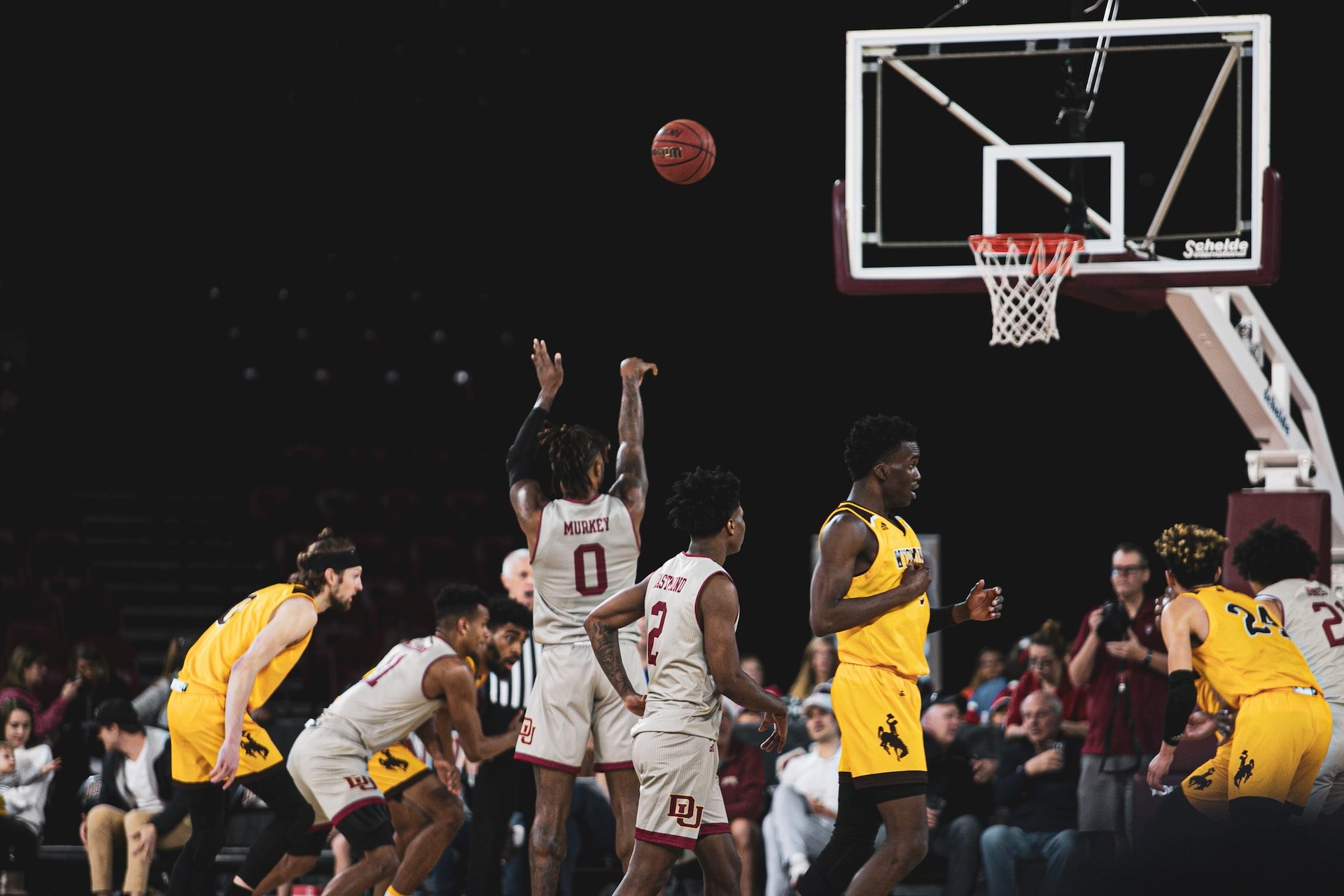
Another group to watch includes clubs undergoing major rebuilds. These sides may lack continuity, but the addition of a few key transfers can transform them into dangerous challengers overnight. For them, the qualifiers serve as a proving ground — an opportunity to measure how quickly a newly assembled roster can gel under real competitive fire.
Fans should also keep an eye on teams with a standout star player capable of changing the course of a game singlehandedly. In the high-stakes, short-form structure of the qualifiers, one extraordinary performance can tilt the balance and send a team through to the group stage.
Ultimately, the intrigue lies in the variety: established contenders, hungry outsiders, and dark horses all converging with one shared goal — a place in the Basketball Champions League. This diversity ensures that every matchup feels like it carries the weight of a final, making the road to qualification as captivating as the tournament itself.
Players Who Could Make the Difference
In the pressure cooker of the Basketball Champions League qualifiers, star players often hold the key to survival. These short, knockout-style tournaments leave no margin for error, and a single performance can define a team’s destiny. For that reason, all eyes will be on the athletes capable of producing magic when the stakes are highest.
Veteran guards are often among the most decisive figures. Their ability to control tempo, handle defensive pressure, and knock down shots in clutch moments can be the difference between moving on and going home early. Experience counts for everything in qualifiers, and seasoned leaders bring the composure needed to steady their teams when games hang in the balance.
Forwards and centers, meanwhile, carry just as much responsibility. Dominant rebounders and rim protectors can tilt the game in their favor by controlling the paint, while versatile forwards who can stretch the floor give their teams tactical flexibility. In an environment where matchups change quickly, adaptability often proves just as valuable as raw talent.
Another exciting element is the role of rising stars. Younger players, hungry to prove themselves, frequently seize the spotlight in these early rounds. Their energy, fearlessness, and unpredictability can catch opponents off guard, creating moments that live long in club history.
Ultimately, the players who make the difference are those who combine skill with mentality — the ones who don’t shy away from pressure, but embrace it. In the qualifiers, one game can change careers, and for many, it’s the stage where legends are born before the main tournament even begins.
What’s at Stake for Clubs and Fans
For the clubs entering the Basketball Champions League qualifiers, the stakes could not be higher. A spot in the main tournament brings far more than just bragging rights — it opens the door to financial rewards, international visibility, and the chance to test themselves against Europe’s elite. For many mid-tier or smaller clubs, qualification represents a transformative opportunity: attracting sponsors, improving recruitment power, and raising the profile of their domestic league. Failing to qualify, on the other hand, can feel like a season-defining setback, limiting exposure and momentum.
For fans, the qualifiers are just as significant. Supporters rally behind their teams with a passion that often exceeds what is seen in regular-season games. The knowledge that every possession matters, and that their cheers could fuel the difference in a knockout contest, adds an intensity rarely matched in early-season basketball. In many cases, fans see these matches not only as battles for trophies, but as fights for the very identity of their club on the European stage.
There’s also the emotional value of belonging. Clubs that make it into the group stage give their fans the thrill of watching their colors displayed across the continent, instilling pride that transcends wins and losses. For communities where basketball is a cultural heartbeat, the qualifiers are about far more than sport — they are about visibility, respect, and legacy.
In short, the Basketball Champions League qualifiers are high-risk, high-reward events. For clubs, they can alter the trajectory of a season. For fans, they deliver the drama and emotional connection that makes basketball more than just a game. Together, they ensure that every qualifier carries a weight and significance far beyond its final score.