
The NBA’s restrictive salary-cap rules are giving franchises additional leverage when negotiating extensions with their star players.
According to a Western Conference general manager, the league’s second-apron restrictions have made it easier for organizations to justify taking a tougher position in contract discussions.
“I know the fans are tired of hearing about the aprons, but this is just another example of how they are changing the league,” said the GM. “The aprons give the owners a reason to take a harder line. Before, it was just about money.”
The second apron imposes significant roster-building limitations on teams with the highest payrolls, making expensive long-term commitments potentially more difficult to manage.
That financial environment has influenced how organizations approach negotiations with established players.
The Knicks ended extension talks with Karl-Anthony Towns, while the Wizards postponed discussions with Anthony Davis until they could evaluate his performance early in the season.
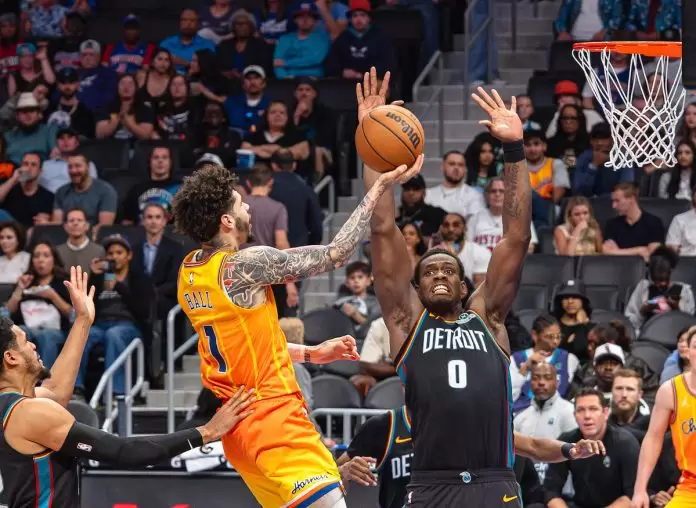
Detroit also avoided giving Jalen Duren the maximum contract available to him, ultimately reaching a $200 million agreement.
The situations highlight how the league’s financial regulations are changing the balance of power between players and front offices.
However, whether teams can consistently maintain this tougher negotiating position remains uncertain, particularly when dealing with players capable of significantly influencing a franchise’s championship prospects.