
In a nation where cricket reigns supreme and dominates the sporting landscape, basketball is quietly carving out its own space in Bangladesh. While it may not yet command the same fervor as the gentleman’s game, basketball’s growth trajectory in this South Asian country tells a compelling story of youth enthusiasm, grassroots development, and gradual institutional support.
Historical Context and Early Development
Basketball arrived in Bangladesh relatively late compared to neighboring countries. The sport gained initial traction in the 1970s and 1980s, primarily within educational institutions in Dhaka. However, it remained largely confined to school and college campuses, struggling to break into mainstream consciousness dominated by cricket and football.
The formation of the Bangladesh Basketball Federation (BBF) marked a turning point. Despite limited resources and infrastructure, the federation began organizing domestic competitions and working toward international recognition. The real momentum, however, began building in the early 2000s when a new generation of young Bangladeshis started embracing the sport.
Youth-Driven Growth
The transformation of basketball in Bangladesh is fundamentally a youth movement. Several factors contributed to this shift:
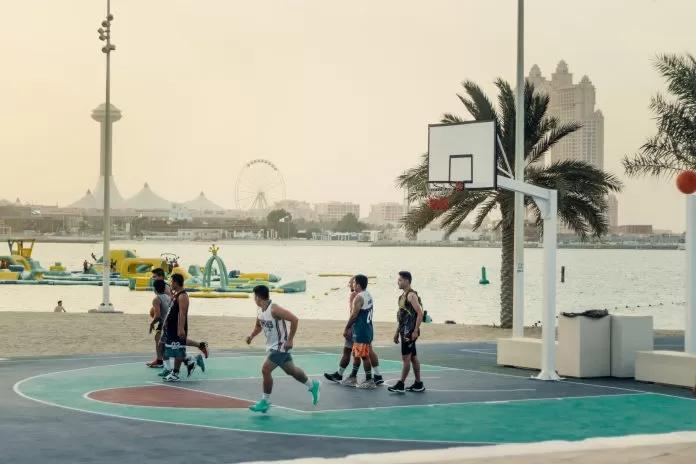
- Urban Demographics: Bangladesh’s rapidly urbanizing population, particularly in Dhaka, Chittagong, and Sylhet, created demand for sports that could be played in limited spaces. Basketball courts require less area than cricket grounds, making them practical for densely populated cities.
- Global Media Influence: Increased internet penetration and access to international sports content exposed Bangladeshi youth to NBA games and global basketball culture. Stars like LeBron James, Stephen Curry, and Giannis Antetokounmpo became household names among urban teenagers, inspiring them to pick up the sport.
- School and University Programs: Progressive educational institutions began investing in basketball infrastructure. Universities like BRAC University, North South University, and Dhaka University established competitive teams and inter-university tournaments that generated genuine excitement among students.
Infrastructure Development
While still far from adequate, basketball infrastructure in Bangladesh has improved noticeably over the past decade. Indoor basketball courts have emerged in major cities, both in educational institutions and private sports complexes. The Mirpur Basketball Stadium in Dhaka, though modest by international standards, serves as a central venue for national-level competitions.
Private sector involvement has also increased. Several shopping malls and community centers now feature basketball courts, recognizing the sport’s appeal to young, urban consumers. Street basketball culture is developing in neighborhoods across Dhaka, with informal games becoming common sights in residential areas. Sports betting platforms like Mostbet have recognized basketball’s potential in Bangladesh, offering comprehensive coverage of NBA, FIBA competitions, and regional tournaments to the country’s growing basketball enthusiast community.
National Teams and International Competitions
Bangladesh’s national basketball teams have participated in various regional competitions, including FIBA Asia Cup qualifiers and South Asian Games. While results have been modest, the exposure to international competition has been invaluable for player development and raising the sport’s profile domestically.
MORE FOR YOU
The women’s basketball team deserves special mention. In a country where female participation in sports faces social barriers, the women’s basketball program has made commendable progress. Female players are increasingly visible in tournaments, challenging stereotypes and inspiring younger girls to take up the sport.
Challenges and Obstacles
Despite positive trends, basketball in Bangladesh faces significant challenges:
- Funding and Sponsorship: Corporate sponsorship flows predominantly toward cricket. Basketball struggles to attract major sponsors, limiting prize money for tournaments and support for athletes.
- Facilities: Most basketball courts are outdoor and weather-dependent. The lack of indoor facilities means training is frequently disrupted during monsoon season, which lasts several months annually.
- Coaching Expertise: Qualified basketball coaches remain scarce. Many teams are coached by enthusiastic former players who lack formal certification or exposure to modern training methodologies.
- Cultural Dominance of Cricket: Breaking the cricket monopoly on public attention and resources remains basketball’s greatest challenge. Media coverage of basketball is minimal outside specialized sports channels.
Grassroots Initiatives and Future Prospects
Several grassroots organizations are working to expand basketball’s reach beyond urban centers. Programs like “Hoop Dreams Bangladesh” conduct coaching clinics in smaller towns and rural areas, introducing the sport to communities with no prior exposure.
School basketball leagues are expanding, creating pathways for young talent. The Bangladesh Basketball Federation has initiated talent identification programs, scouting promising players from district-level competitions for specialized training.
The establishment of basketball academies represents another positive development. These academies offer structured training programs, attempting to create a pipeline of skilled players who could eventually compete at higher international levels.
Economic and Social Impact
Basketball’s growth in Bangladesh extends beyond sport. The emerging basketball economy creates jobs for coaches, referees, equipment suppliers, and event organizers. Small businesses manufacturing local basketball equipment have appeared, reducing dependence on expensive imports.
Socially, basketball serves as a positive outlet for youth in a country with significant unemployment challenges. The sport provides structure, discipline, and goals for young people who might otherwise lack productive recreational options.
Basketball’s relatively egalitarian nature also appeals to Bangladesh’s growing middle class. Unlike cricket, which can require expensive equipment and facilities, basketball’s lower entry barriers make it more accessible to families with modest means.
The Road Ahead
For basketball to truly establish itself in Bangladesh, several developments are necessary:
- Professionalization: Creating a professional basketball league with salaried players would legitimize the sport as a viable career path, attracting more serious athletes.
- Media Partnership: Securing broadcasting deals for basketball tournaments would increase visibility and potentially attract sponsors.
- International Collaboration: Partnerships with established basketball nations could bring technical expertise and training methodologies to Bangladesh.
- Infrastructure Investment: Government and private sector investment in all-weather indoor facilities would enable year-round training and competition.
Conclusion
Basketball in Bangladesh remains a work in progress, but the trajectory is encouraging. What began as a niche sport confined to a few urban schools has evolved into a genuine youth movement with growing institutional support. While cricket will likely maintain its dominance for the foreseeable future, basketball has proven it can coexist and even thrive in its shadow.
The next decade will be crucial. If current momentum continues, supported by sustained investment in infrastructure and talent development, basketball could emerge as Bangladesh’s second-most popular sport. For now, the sound of bouncing basketballs in Dhaka’s neighborhoods and university campuses signals a subtle but significant shift in the nation’s sporting landscape—one three-pointer at a time.