

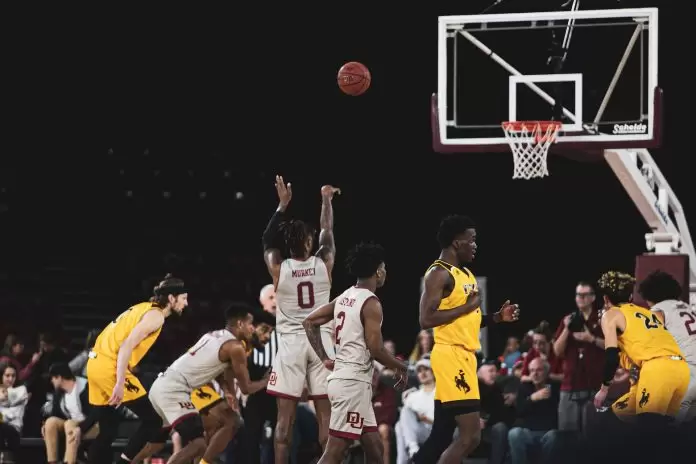
The conversation around THC gummies and athletic performance is evolving, driven less by hype and more by curiosity about recovery, stress management, and long-term sustainability in sport. THC gummies are not typically used to boost performance in the moment. Instead, they are considered by some athletes as a recovery-focused tool, used thoughtfully and intentionally outside of training or competition windows. Understanding when THC gummies may be appropriate requires a clear look at physiology, recovery demands, and individual context.
THC, or tetrahydrocannabinol, interacts with the body through the endocannabinoid system, a regulatory network involved in pain signalling, inflammation, mood, sleep, and appetite. High-level training places constant strain on this system. Repeated stress without sufficient recovery can push athletes toward overtraining, persistent soreness, poor sleep, and mental fatigue. THC gummies enter the discussion not as enhancers of strength or endurance, but as a possible way to support the body during periods of rest and repair.
One of the primary reasons athletes consider THC gummies is pain management during recovery. Training and competition inevitably lead to muscle micro-tears, joint irritation, and connective tissue stress. For many athletes, pain becomes a chronic background issue rather than an occasional problem. THC alters how the brain interprets pain signals, often reducing their perceived intensity. This does not eliminate pain, which is important because pain awareness helps prevent injury. Instead, THC gummies may lower discomfort enough to allow better sleep, improved mobility during recovery days, and a more manageable post-training state.
Inflammation is closely connected to pain and recovery. Exercise-induced inflammation is a necessary part of adaptation, but excessive or prolonged inflammation can delay healing and increase injury risk. Some athletes explore THC gummies as part of a broader recovery strategy aimed at calming excessive inflammatory responses, particularly when traditional anti-inflammatory medications cause side effects or are used too frequently. While THC gummies are not a replacement for medical treatment, their interaction with inflammatory pathways is one reason they are sometimes considered during high training loads or post-competition recovery.
Sleep quality is another major factor influencing when THC gummies may be considered. Deep, uninterrupted sleep is essential for muscle repair, hormonal regulation, and nervous system recovery. Athletes often struggle with sleep due to late competitions, elevated adrenaline, travel schedules, or lingering physical discomfort. THC gummies may help reduce the time it takes to fall asleep and limit nighttime awakenings, making them appealing during intense training phases. Because gummies are digested slowly, their effects last longer, which can support overnight recovery. However, timing and dosage are critical. THC gummies used too frequently or at high doses may interfere with sleep architecture or lead to next-day grogginess.
Mental recovery is just as important as physical healing, yet it is often underestimated. Competitive sport places constant demands on focus, emotional control, and stress tolerance. Over time, this mental load can lead to burnout, anxiety, or diminished motivation. Low-dose THC gummies may help calm mental overactivity by reducing stress reactivity and easing persistent rumination. This mental downshift can be particularly useful after high-pressure events or during off-season recovery, when psychological restoration supports long-term performance.
Another context in which THC gummies may be considered is appetite and energy balance. Intense training significantly increases caloric needs, but stress, fatigue, and competition schedules can suppress appetite. THC is known to stimulate hunger, which may help athletes meet nutritional requirements during recovery periods, especially after demanding events or injury-related downtime. Adequate nutrition supports muscle repair, immune function, and hormonal balance, making appetite regulation a meaningful part of recovery.
It is important to clarify that THC gummies are generally not considered appropriate before training or competition. THC can impair reaction time, coordination, judgment, and spatial awareness. These effects create obvious risks in sports that require precision, speed, or complex decision-making. As a result, athletes who use THC gummies typically restrict their use to rest days, evenings, or post-competition recovery windows, where performance demands are minimal, and recovery is the priority.
Regulatory considerations strongly influence when THC gummies can be used. Many sports organisations restrict or prohibit THC, particularly during competition. Detection windows can extend beyond the period of noticeable effects, meaning athletes must understand testing rules, league policies, and potential consequences. Even where THC is legal, professional regulations may still apply. This reality limits THC gummy use primarily to off-season periods, non-tested environments, or recreational athletics.
Dosage and form also matter. THC gummies provide longer-lasting effects compared to inhaled methods, which can align well with overnight recovery. However, the delayed onset of gummies increases the risk of overconsumption if taken without patience. Athletes who use THC gummies for recovery typically favour low, controlled doses aimed at reducing pain or improving sleep rather than producing strong psychoactive effects.
Individual variability plays a major role in outcomes. Genetics, tolerance, mental health history, and sensitivity to THC all influence how a person responds. For some athletes, THC gummies support relaxation and recovery. For others, they may increase anxiety or disrupt sleep. This variability means THC gummies are not a universal solution and should be approached cautiously and intentionally.
From a broader research perspective, the interest in THC gummies reflects a shift in how performance is understood. Modern sports science increasingly recognises that sustainable success depends on recovery, nervous system regulation, and long-term health, not just training intensity. THC gummies are sometimes considered within this framework as a recovery aid rather than a performance shortcut.
When used carefully, timed appropriately, and aligned with recovery goals, THC gummies may support pain relief, sleep quality, mental decompression, and appetite restoration. When used carelessly or without regard for rules and individual response, they can impair performance and increase risk. Ultimately, the value of THC gummies depends on context, intention, and respect for both the demands of sport and the complexity of the human body.