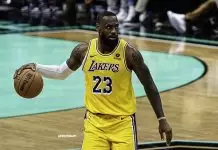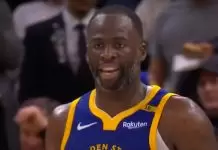


Golden State Warriors forward Draymond Green weighed in on agent Rich Paul’s recent comments about the Los Angeles Lakers, explaining on The Draymond Green Show, vis HoopsHype, “If you think Rich is gonna come out and say what LeBron James needs to say, you have it all wrong.”
Green described the Paul-LeBron relationship as independent and brotherly, adding, “Rich is more likely to say the complete opposite of what Bron thinks or says, just because they kind of have that brotherly… ‘I’m my own guy, you your own guy.’ That is how their relationship operates.”
The Warriors veteran stressed that Paul’s independence is often misunderstood, noting, “To think that he’s just gonna come out and like secretly say what LeBron James is thinking? Like, that is stupid.”
Paul recently suggested on his podcast that the Lakers trade Austin Reaves for Jaren Jackson Jr., while also stating the team is not currently a championship contender. The remarks drew sharp criticism from an NBA executive, who told Lakers Daily, “We have never seen an agent for a star player have a podcast while that star player is still playing and say such outlandish things.”
Reaves, 27, remains sidelined with a Christmas Day injury, averaging 26.6 points and 6.3 assists over 23 games this season. Luka Doncic leads the Lakers at 33.6 points, 8.7 assists, and 7.7 rebounds per game. The team is currently 25-16, sitting sixth in the Western Conference.
The executive also called Paul’s trade suggestion “one of the stupidest things I’ve ever heard anyone say,” and warned that it could exacerbate existing locker room challenges, citing previous comments from forward Jake LaRavia.
Despite the controversy, Green emphasized the need to understand the personalities involved rather than reacting to headlines. “They go at each other all the time — calling each other out. That’s how they operate,” he said.
LeBron James, 41, continues to serve as the team’s central leader, but sources indicate that Paul’s statements have increased scrutiny on the Lakers’ internal cohesion and rotations, particularly with Reaves’ uncertain return.