
The Phoenix Suns and Minnesota Timberwolves meet on Monday night in Minneapolis, where both teams enter with contrasting momentum and short-handed rotations.
Phoenix arrives at 13–10 after a 98–117 loss to Houston on December 5. Minnesota stands at 15–8 and carries a five-game winning streak, most recently edging the Clippers 109–106 on December 6.
The Suns took the only meeting between the teams so far this season, a 114–113 win on November 21.
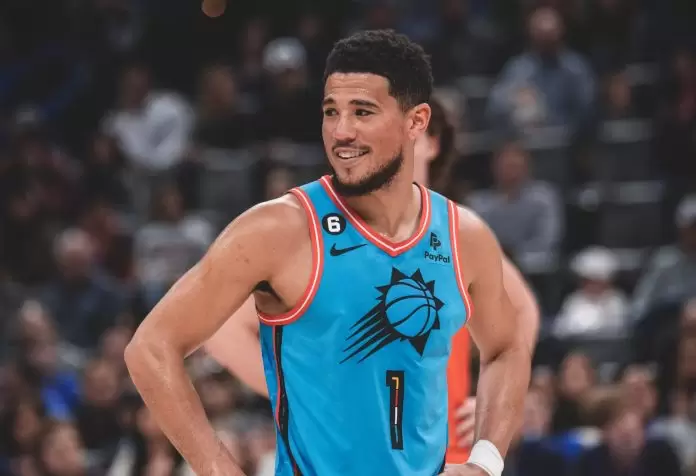
Phoenix prepares for this matchup without Devin Booker, who remains out due to a right groin strain after averaging 25.0 points and 6.7 assists across 22 games.
Jalen Green is also unavailable because of a right hamstring strain, removing another scoring option who produced 15.5 points in limited action. Isaiah Livers continues to miss time with a right hip strain.
Dillon Brooks is listed as questionable with left Achilles soreness, and his status carries weight because he provides 22.3 points per game while taking on primary wing assignments.
Phoenix leans heavily on Grayson Allen’s perimeter efficiency, as he averages 17.3 points on 42.2 percent from deep, and his shot volume increases when Booker and Green are out.
Mark Williams and Nick Richards handle the paint rotation, combining for more than 12 rebounds per game but facing a test against Minnesota’s size.
The Timberwolves enter relatively healthy apart from two two-way players—Enrique Freeman and Rocco Zikarsky—who remain out on G League assignments.
Minnesota’s offense continues to center on Edwards, who averages 28.1 points while shooting 41.6 percent from three and generating downhill pressure that bends opposing coverages.
Randle provides 23.0 points and 7.3 rebounds while attacking mismatches inside the arc, forming a consistent secondary scoring option next to Edwards.
Rudy Gobert anchors the Timberwolves’ rim defense with 10.2 rebounds and 1.5 blocks per game, and his presence challenges Phoenix’s ability to finish around the basket.
Donte DiVincenzo adds 13.7 points with reliable movement shooting, and his perimeter activity complements the half-court creation from Edwards and Randle.