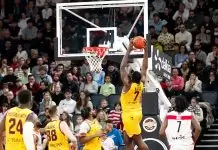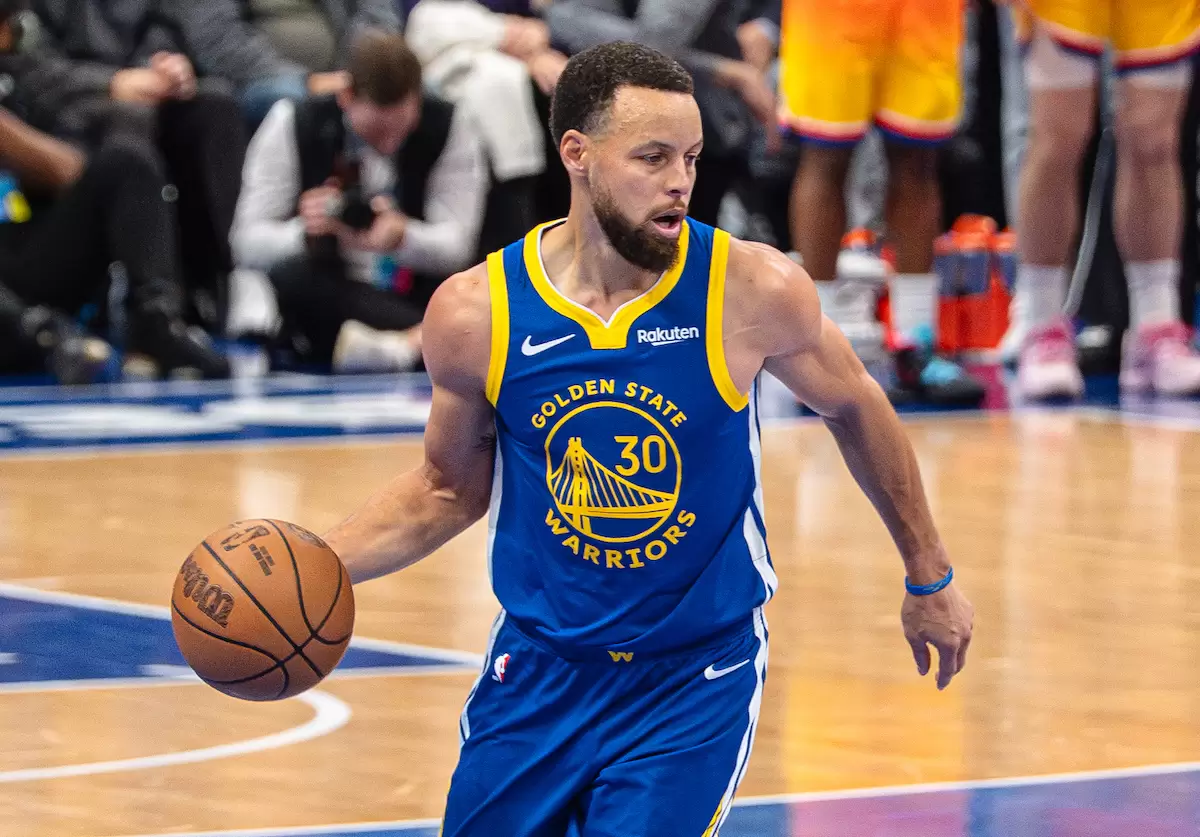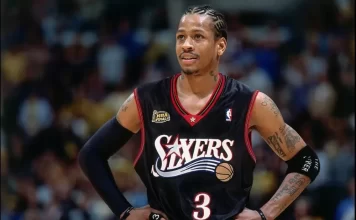

The action keeps rolling after the last point—think TikTok dances, NFT drops, late-night talk-show chatter. Today’s basketball player personal branding has become a full-scale discipline that stretches far beyond the physical court. Modern hoopers—they’re podcast hosts, merch bosses, justice speakers, fan group captains, shaping conversations miles beyond sports pages in seconds. Speak their name in Berlin, Berliners nod; mention them in Lagos bus parks, drivers hum their jingle; publish them on Medium, developers fork the repo—global reach without jet lag. Some even reach larger audiences online than they do in the stadium. Influencers live at the crossroads of highlight reels and everyday chatter. Pair them with teams that crave bigger crowds and the next selfie from the locker room hits harder than any commercial break ever could.
The Rise of the Basketball Player as a Brand
Twenty years ago, most basketball players relied on sports media, sponsorship deals, and game results to define their public image. Now, things have changed. Basketball players have direct access to millions through digital platforms, which allows them to build authentic basketball player identity without depending solely on journalists or clubs.
This shift is massive. A recent industry report showed that more than 85 percent of fans follow at least one basketball player on social media, and many check these profiles more often than team accounts. Another study revealed that basketball players who post consistently can increase their online engagement by up to 40 percent within a few months. Numbers like these explain why personal branding has become essential rather than optional.
Building an Authentic Basketball Player Identity
Keep it real—people smell fake from a mile off. Most readers can smell robot-writing from a mile off—something about it just feels plastic. Basketball players today get it—they open up about late-night junk food, nervous date prep, and baby’s-first-step videos, so fans feel like they’re texting a friend, not watching a press release. Pre-game vibes land hard: “Feels like I’m running electricity through my shoes.” See that, you read energy. Other days it’s an epic: a snapped ACL, the baby wailing in the back seat, and the single heartbeat when he almost let go of the wheel.
Basketball players who swap fake polish for honest stumbles suddenly find fans leaning in like they’re hearing a locker-room secret. Fans want to understand who the basketball player is behind the highlights. People crave the spark—someone’s spark—that makes them feel alive, seen, maybe a little rebellious. A losing streak doesn’t lose followers—pretending everything’s fine does. Say, “I air-balled twice, but I stayed late for fifty extra shots,” and watch the stands stay packed.
Creating Digital Content That Travels Across the World
Digital content is now the engine powering global reach. A single video, a thoughtful comment, or a behind-the-scenes photo can be seen by millions within minutes. Even if an athlete logs into a chat roulette service like CallMeChat—a Chatib alternative—videos are starting to appear all over the internet. Even A-list celebrities often demonstrate their resemblance to ordinary people.
Basketball players build content across every format:
- Weekly vlogs from road trips
- Film-room breakdowns of clutch plays
- Mental health check-ins
- Training routines, cheat drills, quick handles tutorials
- Lifestyle content—sneakers, travel, cooking, fashion
This variety expands their identity beyond the court.
Short-form videos, though, dominate the algorithm. Posts under 30 seconds consistently crush engagement metrics in sports media. A motivational pre-game whisper, a trick shot, a goofy teammate moment—boom, viral.
How Basketball Players Engage Fans Online
Think of concerts, meet-ups, polls, memes—together they become the glue that keeps a fandom alive. Basketball players who answer DMs, drop quick comments, and share backyard bloopers turn followers into ride-or-die fans. You’d be shocked how far a five-minute call travels. A quick reply. A brief thank-you. A live session. That rewind spin move just sent my Sunday through the roof—hats off, king. Each little follow-through—showing up on time, remembering the joke—drops another coin in the trust jar until it’s full.
Basketball players flip drills into mini-games, chasing high-scores instead of stopwatches. Q&A sessions, polls, behind-the-scenes streams, or game-day takeovers. Join in and—boom—you’re hugging people you’ve never met because you’re all wearing the same logo. Word spreads. Kids three countries away rock the player’s jersey, and suddenly that small-town hooper owns street murals in Manila and São Paulo.
Stars don’t just run plays; they chase follow counts. So they film a challenge with vloggers, call a locker-room buddy for hype, and—boom—millions notice. Mix soccer moms, skaters, K-pop stans. They quote-tweet, duet, or snap, and your tiny story swells into a planet-wide shout.
Storytelling in Sports: The Secret Power of Connection
Storytelling is one of the most powerful tools in basketball player personal branding. Humans respond to stories more strongly than to numbers, and basketball players naturally have stories worth telling. The struggle. The discipline. The comeback. The unexpected victory. The painful defeat. The childhood dream.
When basketball players leverage storytelling in sports, they humanize their achievements. They turn performance into narrative. They make fans feel part of the journey rather than just spectators of the result. And when a story resonates, it is shared, talked about, and remembered. This greatly strengthens the basketball player–fan relationship and keeps audiences returning for more.
Strengthening Public Identity Through Social Media Presence
Social media acts as a living portfolio of a basketball player’s identity. It spills their story—values flashing, lingo popping, heart right there on the sleeve. You look once and already know what matters most to them. A loud, honest social feed turns fans into ride-or-die supporters, lures big-money sponsors, and keeps the basketball player’s name hot long after the final whistle.
Different platforms serve different purposes.
Some basketball players use photo-focused apps to highlight personality.
Others rely on short videos to showcase daily life.
Some prefer long posts for deeper reflection.
This multi-format strategy ensures that fans engage in different ways and at different levels of depth.
Branding Beyond Sports: Opportunities and Sponsorships
From little-league dads to big-league GMs, people bank on who they trust, and the sooner basketball players own that story the longer they stay in the game. Brands hunt for faces who light up feeds, stay scandal-free, and have comment sections that feel like block parties. When basketball players promote sponsorship opportunities that align with their values, both sides benefit.
The basketball player gains: income, visibility, and professional connections.
The brand gains: trust, reach, and attention from engaged audiences.
Studies prove: when fans chat daily under a player’s posts, brands will pay up to half again what they’d shell out to a quieter name. Your Twitter handle can now swing a sneaker deal faster than a 40-time, proving your online self is money in today’s sports marketplace.
A Long-Term Career Strategy
Perhaps the most important aspect of personal branding is longevity. Basketball careers are short. But personal brands can last decades. With a strong identity, consistent communication, and active global reach, basketball players can transition into coaching, entrepreneurship, media careers, philanthropy, or public speaking.
A well-built brand remains valuable even when the basketball player no longer competes.
Conclusion
Modern basketball players are more than players. They are creators, storytellers, and leaders of digital communities. By strengthening basketball player–fan relationships, creating digital content, and maintaining a positive public image, they grow their influence far beyond the court. In a world where fans value authenticity and connection, personal branding is no longer an accessory. It is a powerful tool that helps basketball players shape their careers, expand opportunities, and reach global audiences with lasting impact.