
With the NBA offseason nearing its end and training camp approaching, most teams have filled their 2025-26 rosters, though significant gaps remain, per Kevin Pelton of ESPN.
Some rebuilding clubs are prioritizing short-term improvements over long-term cohesion due to the limitations of the new collective bargaining agreement, while others, like the Golden State Warriors, have been waiting on restricted free agency.
For title contenders, the absence of glaring weaknesses often signals a well-constructed roster, and a single manageable hole can be addressed through internal development or midseason additions.
Here’s a snapshot of each team’s biggest roster hole heading into the season, listed alphabetically:
ADVERTISEMENT
- Atlanta Hawks: Second-unit playmaking; offensive rating dropped when Trae Young rested, and backups like Nickeil Alexander-Walker aren’t primary ball handlers.
- Boston Celtics: Two-way center; relying on Neemias Queta and Luka Garza to provide interior presence after previous depth moves.
- Brooklyn Nets: Playmaking experience; inexperienced point guards replace D’Angelo Russell, leaving rookies Demin and Traore in key roles.
- Charlotte Hornets: Starting center; traded Mark Williams, now counting on Ryan Kalkbrenner or Moussa Diabate to step up.
- Chicago Bulls: Defensive disruption; team struggled forcing turnovers last season and lost steal leader Lonzo Ball.
- Cleveland Cavaliers: Perimeter depth; injuries to key guards like Garland and Strus will test roster depth.
- Dallas Mavericks: Playmaking; needed to facilitate star frontcourt additions, including Anthony Davis.
- Denver Nuggets: Point guard depth; backup minutes behind Jamal Murray uncertain with Jalen Pickett and Bruce Brown.
- Detroit Pistons: Reliable ballhandling; losing Dennis Schroder may worsen turnover issues.
- Golden State Warriors: Official contracts; Jonathan Kuminga’s free agency leaves roster incomplete.
- Houston Rockets: Point guard depth; 2024 No. 3 pick Reed Sheppard expected to take larger role.
- Indiana Pacers: Two-way center; loss of Myles Turner leaves Jay Huff and Isaiah Jackson as potential starters.
- LA Clippers: Young contributors; top veterans in place, but minutes behind core are untested.
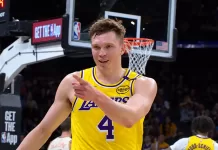
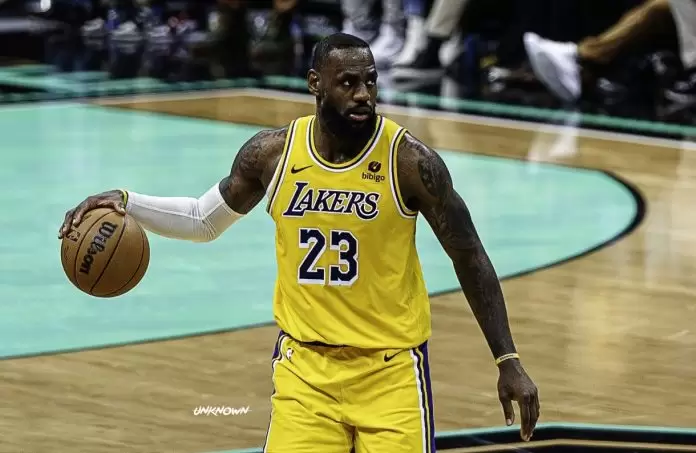
- Los Angeles Lakers: On-ball defense; perimeter defense limited despite adding Marcus Smart.
- Memphis Grizzlies: Wing size; lacking matchup options for bigger forwards, looking to Cedric Coward.
- Miami Heat: Foul drawing; team struggled getting to line after trading Jimmy Butler.
- Milwaukee Bucks: Reliable point guard play; relying on unproven guards after Damian Lillard’s departure.
- Minnesota Timberwolves: Wing depth; recent draft picks expected to step up after losing Nickeil Alexander-Walker.
- New Orleans Pelicans: Center; new acquisitions Derik Queen and Kevon Looney may not provide clear starter solution.
- New York Knicks: More depth; rotation under Mike Brown still short, even after adding Clarkson and Yabusele.
- Oklahoma City Thunder: New arena; main “hole” is their 2028 arena, not roster.
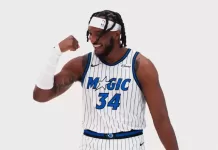
- Orlando Magic: Three-point shooting; still struggling despite adding Desmond Bane and Tyus Jones.
- Philadelphia 76ers: Power forward; no clear starter between Joel Embiid and Paul George.
- Phoenix Suns: Point guard; Jalen Green expected to start, may need Collin Gillespie for playmaking.
- Portland Trail Blazers: Point guard depth; backup options thin behind Scoot Henderson and Jrue Holiday.
- Sacramento Kings: Frontcourt reserves; unclear who backs up Sabonis and DeRozan.
- San Antonio Spurs: Guard shooting; top ball handlers struggle from beyond the arc.
- Toronto Raptors: Efficient shot creation; team needs high-usage players with strong shooting percentages.
- Utah Jazz: Backcourt experience; roster young at guard, led by 22-year-old Walter Clayton Jr.
- Washington Wizards: Power forward; lack of true PF leaves wings covering the spot.
ADVERTISEMENT