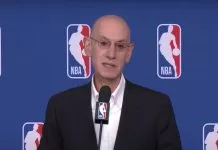

NBA Commissioner Adam Silver addressed questions on the ongoing investigation into the Los Angeles Clippers and Kawhi Leonard during the league’s preseason Board of Governors meeting in New York.
Silver stressed that he is a “big believer in due process” and plans to let the investigation run its course before any decisions or punishments are issued.
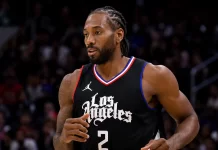
The probe focuses on Leonard’s $28 million endorsement deal with Aspiration, a California-based company that has since filed for bankruptcy, and whether the arrangement allowed the Clippers to circumvent the salary cap.
Documents indicate Leonard was paid more than other endorsers, including Leonardo DiCaprio and Drake, and received priority payments as the company collapsed.
League spokesman Mike Bass confirmed that the deal is under review, and the NBA retained law firm Wachtell, Lipton, Rosen & Katz to conduct the investigation, the same firm involved in previous high-profile league inquiries.
Clippers owner Steve Ballmer disclosed he holds a minor stake in Aspiration, less than three percent, but denied any involvement with Leonard’s contract or recruitment in 2019. He has maintained that the team acted within league rules.
Silver emphasized that the burden of proof rests on the NBA, meaning the league must provide sufficient evidence before any penalties are imposed.
Insiders suggest that if no direct links are found between Aspiration’s payments and the Clippers’ negotiations, the most likely outcome could involve a fine or the forfeiture of a second-round draft pick.
Analysts noted that severe penalties, such as the Timberwolves’ forfeiture of multiple first-round picks in 2000, are unlikely without clear evidence connecting the endorsement deal to salary cap circumvention.
Silver also highlighted that the discussion surrounding Pablo Torre’s podcast, which detailed potential allegations against Ballmer, Leonard, and the franchise, underscores the league’s strict stance on rule violations and the stigma surrounding attempts to subvert its regulations.