
Markieff Morris believes LeBron James has no set expiration date on his NBA career.
During an appearance on the Million Dollaz Worth of Game podcast, Morris said James’ longevity remains unmatched and insisted the Lakers star could keep going for several more seasons.
“What’s he right now 41, 42? He for sure can play until 46. That’s for a fact, that’s factual,” Morris said, via Lakers Nation. “He could play four more years if he wanted to. He’s playing now at such a high level and he’s the second-best player on the team, so he’s the focal point.”
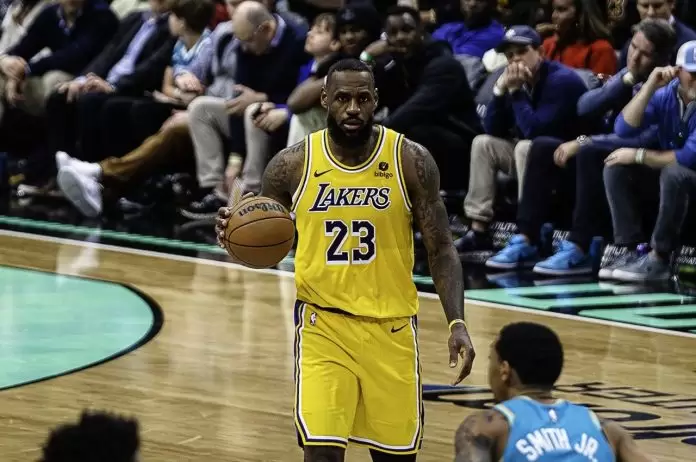
James, who turned 40 in December, just completed his 22nd NBA season. Despite dealing with injuries late in the year, he still averaged 24.4 points, 8.2 assists, and 7.8 rebounds across 70 games for Los Angeles.
The four-time champion added another milestone in March when he surpassed 50,000 combined career points between the regular season and playoffs, becoming the first player in league history to do so.
James also became the first father to share the court with his son, as Bronny James made his debut with the Lakers in October 2024. The two appeared in multiple games together throughout the season, setting a precedent never seen before in the NBA.
Even in his 40s, James continued to break age-related records. At 40 years and 38 days old, he scored 42 points and grabbed 17 rebounds in a win against the Golden State Warriors, becoming the oldest player to record 40 or more points in a game.
MORE FOR YOU
Morris, who played alongside James in Los Angeles from 2020 to 2022 and won a championship with him in the 2020 bubble, has seen firsthand the discipline and preparation behind James’ durability.
The Lakers star remains under contract through the 2025–26 season after exercising his player option. His performance continues to fuel speculation about whether he could extend his career well into his mid-40s, as Morris suggested.
James already holds records for most career points, most All-Star selections, and now sits second in total regular-season games played. If he plays several more years, he could create a statistical gap that future generations may find nearly impossible to close.