

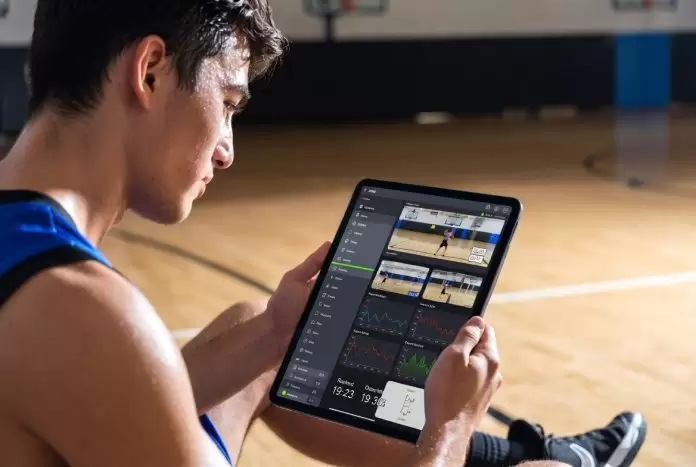
The digital health and wellness sector continues to grow at a rapid pace. Today, consumers expect highly personalized training experiences that they can access from anywhere. Traditional gyms and independent personal trainers now recognize the need to expand their business models to include robust digital platforms. As a result, securing professional fitness software development services has become a fundamental step for health brands aiming to secure market share and retain their customer base in 2026 and beyond.
This text outlines the current market trends, highlights successful industry examples, and discusses the technical challenges involved in creating a reliable digital fitness platform. Understanding these elements will help corporate decision makers plan a successful software architecture.
Market trends shaping the digital fitness industry
Consumer expectations have shifted from basic step tracking toward comprehensive health management. Today, successful applications blend various technologies to deliver a complete wellness experience.
- Artificial intelligence for personalized coaching
Users no longer accept generic workout templates. Modern applications use artificial intelligence to analyze past performance, current fatigue levels, and available equipment to generate a custom routine daily. If a user sleeps poorly, the system automatically lowers the intensity of the workout.
- Wearable technology integration
Smartwatches and activity bands provide a continuous stream of health data. Applications now synchronize seamlessly with these devices to read heart rate variations, blood oxygen levels, and sleep quality. This constant flow of information allows the software to offer highly accurate recovery recommendations.
- Holistic health and wellness tracking
Physical exercise represents only one part of the equation. Current platforms often include modules for mental wellness, offering guided meditation, breathing exercises, and stress management techniques. Treating the mind and body as a connected system increases user retention significantly.
- Gamification and community building
Working out alone can lead to a loss of motivation over time. To combat this, developers add social features and competitive elements. Leaderboards, digital badges, and group challenges encourage users to stay consistent by fostering a sense of community and friendly competition.
MORE FOR YOU
Real world examples of successful fitness applications
Examining how established companies approach digital wellness provides valuable insights for your own project. These platforms demonstrate different ways to capture and maintain a dedicated user base.
- Strava
This platform dominates the endurance sports sector. Strava combines precise location tracking with a massive social network for runners and cyclists. Users can share their routes, compete on specific segments of a road, and give each other virtual encouragement. The strong community aspect makes it difficult for users to abandon the platform.
- Future
Future connects members with real human coaches. The user answers a detailed questionnaire and the platform pairs them with a dedicated trainer who builds weekly plans and provides ongoing support via text and audio messages. This model proves that people are willing to pay a premium for human accountability combined with digital convenience.
- MyFitnessPal
While many platforms focus purely on movement, MyFitnessPal cornered the nutrition market. The application boasts an enormous database of food items, allowing users to log their meals and track their macronutrients easily. This success shows that dietary management remains a primary concern for fitness enthusiasts.
- Ochy
This application uses artificial intelligence to solve a very specific physical problem. A user records a short video of themselves running, and the software uses pose estimation algorithms to analyze their biomechanics. It then suggests corrective exercises to prevent injuries. This highlights the power of computer vision in athletic training.
Technical challenges in the development process
Building a stable and secure platform requires extensive planning. A competent development team will anticipate these common hurdles and design the system to handle them effectively.
Protecting sensitive health data
Fitness applications collect highly personal information, including weight, location history, and medical conditions. A data breach would destroy user trust and lead to severe legal consequences. Companies must comply with strict privacy regulations depending on their operating regions.
To address this concern, engineers must implement strong encryption protocols for data both in transit and at rest. Using secure cloud environments and anonymizing user data whenever possible minimizes the risk. Giving users clear control over what data they share and allowing them to delete their accounts easily builds trust and ensures regulatory compliance.
Sustaining high user engagement
The app stores are filled with wellness tools that users download, open once, and never use again. Habit formation remains the biggest hurdle in the health industry. If an application fails to motivate the user, the subscription will be canceled quickly.
Solving this requires a deep understanding of behavioral psychology. Developers add smart push notifications that remind users to train without being annoying. Introducing daily streaks, tangible rewards, and clear visual progress charts helps users see their improvement over time, making them more likely to return to the platform.
Ensuring hardware compatibility
The wearable technology market features dozens of different manufacturers, each using their own operating systems and data formats. An application that only connects to one specific watch limits its potential audience severely.
A skilled technical team addresses this by building flexible application programming interfaces. Instead of writing unique code for every single device, developers integrate universal data aggregators like Apple HealthKit and Google Fit. This strategy ensures the application can read data from almost any smartwatch on the market, providing a seamless experience for the end user.
The role of a reliable technical partner
Choosing the right agency to build your platform dictates the ultimate success of your project. You need a team that understands complex backend architecture, data security, and the specific user interface requirements of the health industry. A strong technical partner will provide clear communication, rigorous software testing, and ongoing maintenance long after the initial launch.
Investing in quality fitness software development services ensures that your product is built on a scalable foundation. As your user base grows, the architecture must handle increased server loads and massive amounts of data without slowing down or crashing.
Conclusion
The transition toward digital health management shows no signs of slowing down. Consumers actively seek out intelligent, connected tools to guide their fitness journeys. By focusing on personalization, secure data handling, and community features, businesses can create highly profitable platforms that genuinely improve people’s lives. Partnering with an experienced development team ensures that your vision translates into a secure, engaging, and successful digital product ready to compete in the modern wellness market.