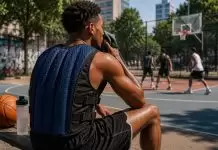

The image of a student-athlete is often one of high-energy highlights and championship trophies. However, behind every buzzer-beater and defensive stop lies a grueling reality: the constant, high-pressure dance between the hardwood and the library. For many young athletes, the basketball court is a sanctuary, but the classroom is where the long-term foundation for success is built.
Excelling in both arenas is not merely about talent or intelligence; it is about discipline, resourcefulness, and the ability to pivot between two very different types of performance. Whether you are navigating the recruitment trail or simply trying to maintain a high GPA to stay eligible, mastering the balance between hoops and homework is the ultimate “triple-threat” move.
The Dual-Identity Challenge
The psychological weight of being a student-athlete is significant. Unlike their peers, these individuals operate on a schedule that mirrors a full-time job. Between morning shootarounds, film study, travel days, and actual games, the “free time” typically reserved for social interaction or deep study is virtually non-existent.
To succeed, an athlete must develop a dual identity. On the court, the focus is on physical intuition, teamwork, and immediate reaction. In the classroom—particularly when tackling complex essays or research projects—the requirements shift to patience, critical thinking, and solitary focus. This mental shift can be exhausting. Many find that while they can easily handle a physical training session, sitting down to focus on a challenging academic assignment feels like an insurmountable hurdle after a three-hour practice.
Time Management: The Playbook for Academic Success
In basketball, the clock is everything. The same principle applies to academics. The most successful student-athletes treat their calendars with the same reverence as their coach’s playbook.
1. The Power of Micro-Studying
Long, six-hour study sessions are a luxury that athletes rarely have. Instead, the “pockets of time” strategy is essential. This involves utilizing 20-minute windows—during bus rides to away games, in the training room while icing, or between classes—to review notes or draft paragraphs. Utilizing tools like Evernote allows athletes to sync their notes across devices, making it easy to study whether they are in the locker room or on a plane.
MORE FOR YOU
2. Prioritizing the “Big Rocks”
In productivity coaching, “Big Rocks” are the high-stakes tasks that move the needle. For an athlete, this means identifying major deadlines early. If a heavy research paper is due the same week as a tournament, the work must begin weeks in advance. Waiting for a “light week” in the season is a gamble that rarely pays off.
3. Leveraging Technology
Digital tools are the “sixth man” for the modern student. Apps like Clockify help athletes track exactly where their time goes, ensuring that hours aren’t lost to “scrolling” when they should be recovering or studying. Furthermore, using speech-to-text tools during commutes can help athletes “write” the first drafts of their essays while on the move, breaking the barrier of the blank page.
The Writing Hurdle: Why It Matters
Why is writing specifically so difficult for athletes to balance? Unlike multiple-choice tests, writing is a generative process. It requires a quiet mind—something hard to achieve when your ears are still ringing from the whistle and the crowd.
However, writing is the most transferable skill an athlete can possess. The ability to communicate a vision, analyze a situation, and present a coherent argument is exactly what makes a great point guard or a team captain. Learning to refine one’s voice is made easier with resources like Grammarly, which provides real-time feedback on tone and clarity, much like a coach giving feedback on a player’s shooting form.
Maintaining Mental and Physical Wellness
The “grind culture” in sports often celebrates the athlete who survives on four hours of sleep and caffeine. From a physiological standpoint, this is a recipe for failure in both the gym and the classroom.
Sleep as a Performance Enhancer
Sleep is the primary period for muscle recovery and memory consolidation. For a student-athlete, sleep deprivation leads to slower reaction times on the court and a diminished ability to process complex information in class. Viewing sleep as a part of “training” rather than “laziness” is a vital mental shift.
Nutrition for the Brain
An athlete’s diet is usually optimized for explosive power and endurance. However, the brain consumes about 20% of the body’s energy. Incorporating “brain foods” like omega-3 fatty acids and complex carbohydrates ensures that the mental “tank” isn’t empty when it’s time to hit the books after a game.
Building a Support Section
No championship is won alone. The most successful student-athletes are those who are not afraid to use the resources available to them.
- Academic Advisors: Most programs provide specialized advisors who understand the athletic schedule. They can help navigate “dead periods” and coordinate with professors.
- Tutors and Writing Centers: Using a writing center isn’t a sign of struggle; it’s a sign of professional-level preparation. Even the best writers use editors.
- Peer Groups: Forming study groups with other athletes can be beneficial, as they share the same schedule constraints and can hold each other accountable.
The Recruitment Angle: Grades as a Tie-Breaker
For those looking to play at the next level, the “student” portion of the title becomes a massive recruiting advantage. If a college coach is looking at two players with similar stats, they will almost always choose the one with the higher GPA. Why? Because that player is a lower “risk.” They are less likely to become academically ineligible, saving the coach from a headache mid-season.
Furthermore, strong academic performance opens up doors for academic scholarships, which can be combined with athletic aid to cover the full cost of tuition—a crucial factor given that full-ride athletic scholarships are highly competitive.
Writing Your Own Narrative
At the end of the day, a basketball career is a chapter, but an education is the whole book. The discipline required to sprint through a “suicide” drill at 6:00 AM is the same discipline required to cite sources correctly in a 10-page thesis.
The goal isn’t just to “get through” the work. The goal is to apply the athlete’s mindset—the pursuit of excellence, the resilience after a loss, and the dedication to practice—to the craft of writing and thinking. When a student-athlete masters this balance, they become unstoppable. They aren’t just a player on a court; they are a leader with a voice, ready to succeed in whatever arena they choose to enter next.
Actionable Tips for This Week
If you’re feeling overwhelmed by the weight of the season, try these three steps today:
- Audit Your “Dead Time”: Identify one 30-minute block today (maybe your commute or the time spent waiting for a trainer) and use it exclusively for reading one academic source.
- Communicate Early: Email your professors today to let them know your travel schedule for the next three weeks. Proactive communication builds immense goodwill.
- Break the Task: If you have a large project due, don’t try to write the whole thing at once. Aim to write just the introduction or an outline tonight. Small wins build momentum.
By treating your academics with the same competitive fire as your sport, you ensure that when the jersey eventually comes off, you have a wealth of knowledge and a set of skills that will serve you for a lifetime. Excellence is a habit, and there is no better place to practice it than in the delicate balance of hoops and homework.