

Every NBA season brings louder contract numbers. Supermax extensions dominate headlines, salary caps keep climbing, and fans are left wondering how teams can afford anything at all. But the smartest front offices are not chasing the biggest names. They are chasing value. Contracts that quietly outperform their price tag often matter more to winning than any single blockbuster deal.
Value for money in basketball is not just about points per game. It is about reliability, role flexibility, availability, and how a contract fits the team’s competitive window. When those elements line up, a contract becomes an asset rather than a cost.
What actually makes a contract “good value”
A value contract usually shares a few traits. The player delivers consistent starter or near star impact. The salary sits below what a similar player would command on the open market. The deal provides cost certainty without painful options or looming renegotiations. Declining or flat structures help even more as the cap rises.
These contracts give teams breathing room. They allow better depth, smarter trades, and fewer forced decisions. In a league defined by margins, that flexibility is everything.
Jalen Brunson and the power of underpriced leadership
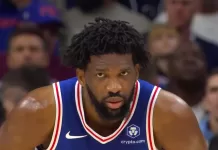
Brunson is one of the clearest examples of value in the modern NBA. Paid well below the superstar tier, he performs like a primary option on a playoff team. He runs offenses, closes games, and absorbs pressure without needing protection.
New York’s roster construction works because Brunson does not eat up a supermax slot. That single contract creates space for depth and balance. It is a reminder that value is not just individual production. It is what a deal allows a team to build around it.
Shai Gilgeous-Alexander and the timing advantage
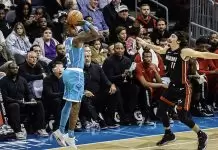
Shai’s contract sits in that rare window where elite production arrives before elite pricing fully kicks in. Oklahoma City gets MVP level output while still enjoying financial flexibility. That gap is why young contenders often rise faster than expected. A team getting superstar impact at a discounted rate is more likely to beat win totals and futures odds over a long season.
Nikola Jokic proving value is not only about discounts
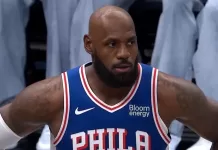
Not all value contracts are cheap. Jokic earns the maximum, yet his deal still represents value because of how much he replaces. Denver gets an entire offensive system in one player. Primary scorer, playmaker, and late game decision maker rolled into a single contract.
When a max player eliminates the need for multiple high level specialists, the overall roster becomes more efficient. That efficiency is why Denver remains a fixture in championship conversations and why basketball betting markets consistently rate them as contenders.
Deni Avdija and the importance of mid tier value
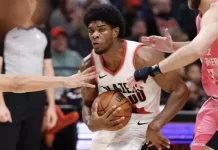
Value contracts are not only found at the top. Avdija represents the kind of deal front offices quietly love. A versatile wing on a declining contract who contributes across scoring, rebounding, defense, and playmaking.
Players like this stabilize rotations. They reduce matchup problems and travel well in playoff basketball. For teams projected in the middle of the standings, these contracts often decide whether a season becomes a push or a surprise surge. That is why bettors tracking long term performance often pay attention to these names, not just the stars.
Why value contracts shape both teams and markets
Championship teams are rarely built by spending the most. They are built by spending the smartest. Value contracts allow teams to survive injuries, manage slumps, and adjust tactics without panic moves.
For fans and analysts, they also explain why some teams consistently outperform expectations. Betting lines move on star power, but seasons are won on contract efficiency. Understanding who is overperforming their deal is often the difference between surface level analysis and real insight. In today’s NBA, the best contracts are not always the loudest. They are the ones quietly doing more than they cost.