

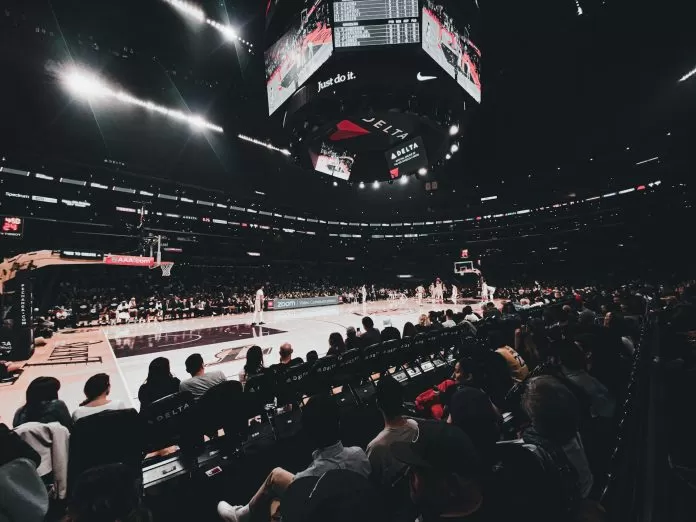
Basketball is one of the few sports with a truly global competitive structure. From elite professional leagues to international tournaments and regional championships, the game is organised into a wide network of competitions that reflect different playing styles, commercial models, and fan cultures.
For viewers and bettors alike — including users of platforms such as Bison Casino — understanding how these competitions are structured makes it easier to follow the sport beyond just headline games.
Major professional basketball leagues
Professional leagues are the backbone of global basketball. They operate on seasonal schedules, attract the top talent, and generate most of the sport’s media attention.
Key characteristics of top leagues:
- Long regular seasons with structured playoffs
- Strong domestic fan bases and global broadcasting
- Clear franchise or club-based systems
Leading professional leagues by region
| League | Region | Structure | Global Reach |
| NBA | North America | Franchise-based, playoffs | Very high |
| EuroLeague | Europe | Club competition | High |
| CBA | China | Franchise-based | Medium |
| Liga ACB | Spain | Club-based | Medium–high |
| NBL | Australia | Franchise-based | Medium |
These leagues differ not only in talent concentration, but also in game pace, physicality, and tactical focus.
International basketball competitions
Beyond domestic leagues, international tournaments bring national teams together and define global basketball hierarchies. These events often have shorter formats but higher emotional intensity.
Major international competitions include:
MORE FOR YOU
- FIBA Basketball World Cup
- Olympic Basketball Tournament
- Continental championships (EuroBasket, AfroBasket, AmeriCup, Asia Cup)
Key international tournaments overview
| Tournament | Organizer | Frequency | Participants |
| FIBA World Cup | FIBA | Every 4 years | National teams |
| Olympic Basketball | IOC / FIBA | Every 4 years | National teams |
| EuroBasket | FIBA Europe | Every 4 years | European nations |
| AmeriCup | FIBA Americas | Every 4 years | Americas |
These tournaments often showcase different styles of play compared to professional leagues, with more emphasis on team cohesion and tactical discipline.
Continental and regional club competitions
Between domestic leagues and global tournaments sits a layer of regional competitions. These events allow clubs to compete internationally without representing national teams.
Examples include:
- EuroLeague and EuroCup (Europe)
- Basketball Champions League
- FIBA Asia Champions Cup
These tournaments:
- Increase exposure for clubs outside domestic markets
- Create cross-border rivalries
- Help develop talent through higher-level competition
Developmental and feeder competitions
Not all basketball competitions are designed for global audiences. Many serve as development pipelines for professional leagues.
Common developmental formats:
- G-League (NBA affiliate system)
- NCAA college basketball in the United States
- National youth leagues and U23 competitions
These systems are essential for talent identification and long-term growth of the sport.
How competitions differ by playing style
Basketball competitions around the world vary significantly in how the game is played. This diversity is one reason global basketball remains so engaging.
Typical differences include:
- North America: fast pace, athleticism, isolation plays
- Europe: tactical systems, ball movement, defense
- International tournaments: hybrid styles with strong team focus
Understanding these distinctions helps fans appreciate why the same player may perform differently depending on the competition.
Why global basketball structure matters
The layered structure of basketball competitions creates constant interaction between leagues, national teams, and developmental systems. Players move between formats, styles evolve, and fan communities grow across borders.
Key benefits of this global ecosystem:
- Continuous talent circulation
- Diverse tactical development
- Year-round basketball content for fans
Conclusion
Basketball competitions around the world form a complex but well-connected system. From elite leagues like the NBA and EuroLeague to international tournaments and regional championships, each level plays a specific role in shaping the sport.
For fans, this structure offers endless ways to engage with basketball — whether through domestic rivalries, international showdowns, or emerging talent in developmental leagues. Understanding how these competitions fit together turns basketball from a single-league sport into a truly global experience.