

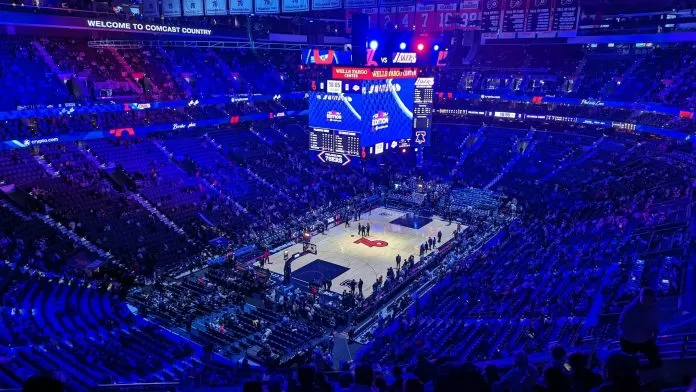
Teams across the NBA and EuroLeague have spent the opening months of the 2025–26 campaign rolling out a wave of digital payment upgrades. Faster mobile ticketing, streamlined in-arena purchases, and new wallet integrations are all becoming part of the standard matchday routine. Clubs aren’t simply chasing convenience; they’re responding to fans who increasingly expect the same frictionless experience they enjoy in other parts of their digital lives.
These expectations go beyond traditional payments. The rise of crypto-friendly services in wider sports ecosystems has shown supporters that flexibility is now the norm, not a luxury. That trend is visible on adjacent platforms where fans compare the speed and anonymity of options such as sportsbooks that accept Bitcoin, a reflection of how alternative payment methods are shaping broader digital habits. For basketball organisations, this shift signals that fans want choice—and they want it everywhere, from ticketing checkouts to streaming subscriptions.
As clubs respond, the question isn’t whether these tools will become standard, but how quickly they will redefine the rhythm of attending, watching, and engaging with basketball around the world.
Teams roll out upgraded mobile payment systems for tickets and in-arena purchases
NBA and EuroLeague venues have expanded their reliance on mobile-first ticket scanning to speed up entry and cut down queue times. Many teams upgraded their turnstile tech over the summer, leaning heavily on improvements in QR validation and app-based passes. The momentum has been steady since mobile ticketing adoption grew by 50% in 2024, and this season’s early data suggests that number will continue to rise as more arenas push for fully digital entry.
Inside the arenas, contactless terminals now dominate concession stands. Increasingly, clubs are using unified payment dashboards that allow staff to track inventory and transaction flow in real time. It’s a small operational detail, but it changes the fan experience: shorter lines, fewer cash-handling delays, and more time to actually watch the game instead of waiting for a halftime snack.
EuroLeague and NBA merchandise platforms expand digital wallet and contactless options
Merchandise platforms have also embraced the shift toward seamless transactions. In both the US and Europe, team stores are adding new digital wallets and auto-fill options designed to make impulse purchases—whether a replica jersey or a limited-edition scarf—far easier. This aligns with broader global trends, including the fact that contactless payments accounted for more than 75% of Mastercard transactions in 2025, a figure that demonstrates just how comfortable consumers have become with tap-and-go technology.
EuroLeague clubs, in particular, have moved quickly thanks to their wider commercial partnerships. Visa’s multi‑year agreement to become the league’s official payment partner has accelerated the expansion of contactless systems in arenas across the continent. Fans attending games in Barcelona, Belgrade, or Athens now encounter unified kiosks and POS terminals that mirror the experience of major US venues, creating a more consistent environment across borders.
These upgrades also influence online shopping behaviour. Supporters who have grown accustomed to secure one-tap payments at games now expect the same ease when ordering a hoodie from a team app or subscribing to a streaming package for road games. The line between physical and digital retail continues to blur as clubs standardise the technology behind both.
How third-party sports platforms adopt crypto-friendly tools
Beyond official league channels, third-party sports platforms are experimenting with alternative payment rails. Streaming aggregators, fantasy basketball apps, and community-driven fan hubs have all added support for new wallet formats. Many of these platforms aren’t directly tied to basketball leagues, but they influence what fans consider normal in their digital routines.
Crypto-compatible tools are the fastest-growing of these additions. While basketball teams themselves tend to move cautiously in this area, fans now encounter crypto transactions in adjacent sectors—whether buying digital collectibles or using platforms that reward engagement through tokenised systems. This broader exposure shapes expectations around speed, anonymity, and global access, pushing mainstream services to keep pace.
Digital payment adoption in 2026
If the first months of the 2025–26 season are any indication, digital payments are set to play an even bigger role in shaping how fans engage with basketball next year. The biggest impact may be behavioural: when transactions feel seamless, supporters tend to explore more ways to connect with the sport. That might be watching overseas broadcasts, picking up new merchandise drops, or attending more games as entry becomes smoother.
Another shift could be geographical. Digital-first systems create fewer barriers for international fans who want to buy tickets, subscribe to league passes, or shop team stores without worrying about card compatibility or regional payment limits. This matters because both the NBA and EuroLeague continue to position themselves as global products, relying on fans well beyond their home markets.
While payment technology may feel like a background detail, it increasingly influences the overall perception of the sport. A smoother checkout, a quicker tap at the gate, or an easier way to buy a jersey can quietly shape a fan’s attachment to a team. As clubs invest more heavily in these systems, the 2026 season could see digital payments become one of the most important—and least discussed—drivers of basketball’s global growth.