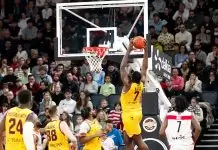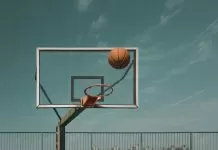

Basketball rewards clarity. The court compresses choices into seconds, and decisions read like headlines: cut, kick, shoot. A good possession starts long before the whistle with footwork, spacing, and a plan simple enough to survive adrenaline. Fundamentals deliver the quiet advantage, while creativity turns small edges into runs that swing a game.
Modern hoops blends sport and data. Film rooms and tracking tools break down every rotation and pick-and-roll angle. Even fan culture learns the language of efficiency and shot value. Interest often spills into adjacent spaces like odds modeling and simulations; platforms such as viparabclub casino illustrate how numbers migrate from box scores to entertainment, reminding that metrics shape how the game is watched and discussed.
From Peach Baskets to Playbooks
What began as a winter workout became a global language. Neighborhood courts teach patience and economy of motion. Professional systems polish the same lessons with timing, reads, and layered actions that keep defenses guessing. Inside-out spacing, corner gravity, and quick-hitting sets carry the same DNA as driveway games. The magic is in repetition, then in the small twist that comes when a defender leans the wrong way.
Coaching philosophy has moved toward versatility. Guards post up, centers handle the ball, wings screen and slip. Positionless basketball is less about height and more about responsibilities. If a player can defend in space and make the extra pass, a lineup stretches and the floor opens. The result is a rhythm game where pace matters but control wins.
Skills That Scale In Any Era
- Footwork First: Balance is the quiet engine of every drive, pivot, and stop. Clean footwork reduces wasted motion and keeps options open without burning energy.
- Vision and Timing: Passing lanes exist for heartbeats. Reading the third defender, not the first, turns good passes into layups.
- Shooting Economy: Form, arc, and shot selection feed each other. The best shooters hunt rhythm looks and accept non-glory passes that set up the next touch.
- Defensive Habits: Stance, hands, and angles shrink the floor. Communication calls the coverage before a screen even lands.
- Conditioning With Purpose: Strength supports deceleration, the most underrated skill in finishing and on-ball defense.
The Pick-and-Roll, Reimagined
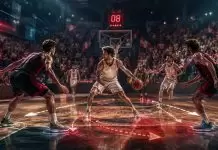
The classic two-person action still frames the modern playbook. Spacing pulls weak-side help away, short rolls invite quick reads, and pop options punish conservative schemes. Counters arrive in bunches: Spain actions, ghost screens, reject drives. Success comes from selling one story and delivering another. A screen that looks routine buys a defender’s step and gifts a paint touch.
Analytics did not replace feel; the two finally learned to talk. A coach trusts a midrange pull-up if it appears from rhythm and time pressure. A player trusts the corner three because the paint touch drew a second body. The scoreboard cares about context more than ideology.
Culture, Mindset, and the Invisible Work
Basketball culture protects the craft. Early shots in empty gyms, late film sessions, and quiet corrections build the platform for loud nights. Teams win when roles are understood and respected. Stars bend attention, role players bend defenses with movement and timing, and everyone rebounds. Huddles stay small but honest.
Confidence grows from constraints. A tight shot clock forces clarity, a road crowd sharpens focus. The best groups keep the floor spaced and the conversation simple: the next pass, the next closeout, the next touch in the paint.
Smart Mistakes to Avoid
- Hero Dribbles: Overhandling invites traps and dead ends. One hard move and a decision beats four fancy moves that go nowhere.
- Static Corners: Feet stuck in the corner give help defenders holidays. Lift, cut, or screen to make the weak side expensive.
- Late Low Man: Paint protection starts early. The low help must slide on the drive cue, not the layup cue.
- Shot Hunting Over Flow: Forcing heat checks cools entire units. Let advantage basketball pick the shooter.
- Skipping Recovery Work: Ankles, hips, and core need daily attention. Availability is the first great skill.
Why the Game Endures
The design is elegant. A small court and a tall rim create just enough challenge to demand precision but welcome flair. Every possession offers a new puzzle: who tags the roller, who bumps the cutter, who shakes free at the slot. The ball does not argue with truth. Either the pass arrived on time or it did not. Either feet were set or the closeout won.
In the end, the sport rewards connected choices. Trust the simple actions that travel across eras: set strong screens, sprint to space, talk early on defense, pass to advantage. When rhythm arrives, the net says everything.