

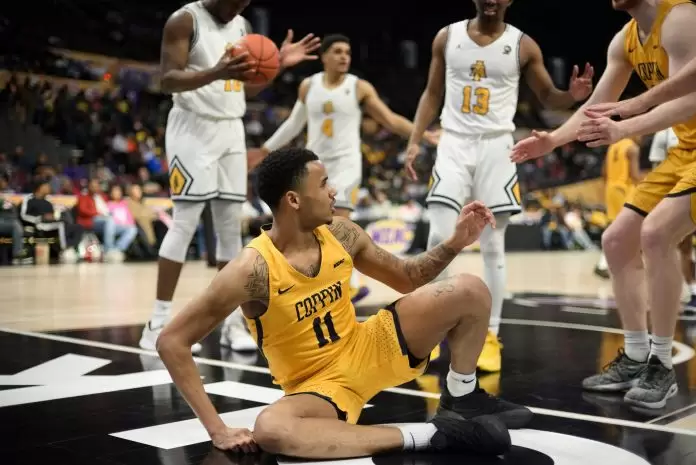
Few injuries in basketball carry as much weight as a torn anterior cruciate ligament, better known as the ACL. It is a three-letter diagnosis that can alter careers, change team dynamics, and test an athlete’s resilience both physically and mentally. Over the years, medical advancements have helped players recover faster and return stronger, but the significance of an ACL injury in professional basketball remains undeniable.
The ACL is one of the key stabilizing ligaments in the knee, responsible for controlling movement and maintaining balance during sudden stops, pivots, and explosive jumps. Given the pace and intensity of basketball, it is no surprise that ACL injuries are common among players at every level. A simple wrong landing after a rebound, an awkward twist while defending, or a quick change of direction can be enough to cause serious damage.
Historically, an ACL tear meant a career-threatening situation. Before surgical innovations and advanced rehabilitation techniques, players often struggled to regain full mobility and performance. Today, thanks to modern sports medicine, an ACL injury no longer guarantees the end of a career. Surgeons and rehabilitation specialists have refined procedures to repair and reconstruct the ligament, giving athletes a real chance at returning to the court at full strength.
The recovery timeline, however, remains challenging. Even with the best surgical techniques, athletes face months of rigorous physical therapy. This journey tests not only the body but also the mind. Mental resilience becomes as important as physical progress, as players must learn to trust their bodies again while overcoming the fear of re-injury. For many, the comeback is about more than basketball; it is about reclaiming confidence and belief in themselves.
Examples of successful returns from ACL injuries have inspired countless athletes. NBA players like Derrick Rose, Zach LaVine, and Kristaps Porzingis have all faced ACL challenges, and though their paths back to the court varied, each has demonstrated that recovery is possible. These stories motivate young athletes dealing with similar setbacks and highlight how far sports medicine has advanced in recent decades.
The impact of ACL injuries extends beyond individual players. Teams often find themselves reshaping strategies and rotations while their stars are sidelined. A key player’s absence can dramatically affect playoff hopes, forcing coaches to adjust lineups and teammates to step into larger roles. This ripple effect underscores just how critical knee health is in professional basketball.
Beyond the NBA, ACL injuries are just as prevalent in college and international basketball. Student-athletes face the dual challenge of recovering physically while keeping up with academic commitments. For many, the injury comes at a pivotal moment in their development, influencing not only their sports future but also their broader life choices.
The focus on prevention has grown stronger as teams, trainers, and medical professionals seek to minimize the risk of ACL injuries. Strength training, balance exercises, and proper landing mechanics are now emphasized in player development programs. Coaches at all levels encourage athletes to build stronger foundations to withstand the physical demands of the game.
Still, the reality remains that basketball, with its fast pace and constant movement, will always carry risk. What matters most is how players respond to the challenge of recovery. The combination of medical expertise, cutting-edge surgical techniques, and dedicated rehabilitation continues to give athletes a fighting chance.
In many ways, an ACL injury has become a test of character as much as it is a medical challenge. Fans admire players who make their way back to the court, not only for their skill but for their determination. These comeback stories remind us that resilience is at the heart of the sport.
Basketball is about speed, agility, and explosive power, but it is also about perseverance. While ACL injuries remain one of the most difficult setbacks for athletes, they no longer define the end of a career. Instead, they have become part of the story of modern basketball, shaping how we view strength, recovery, and the human ability to overcome obstacles.
When an ACL injury threatens to sideline an athlete, timely intervention can make a big difference in long-term mobility and career prospects. For those in need of surgical repair, ACL surgery Dr. Thornton offers advanced techniques designed to restore stability and support a strong return to play.