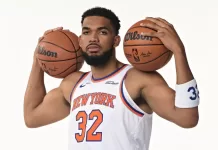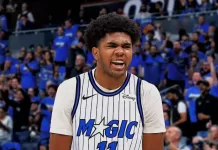

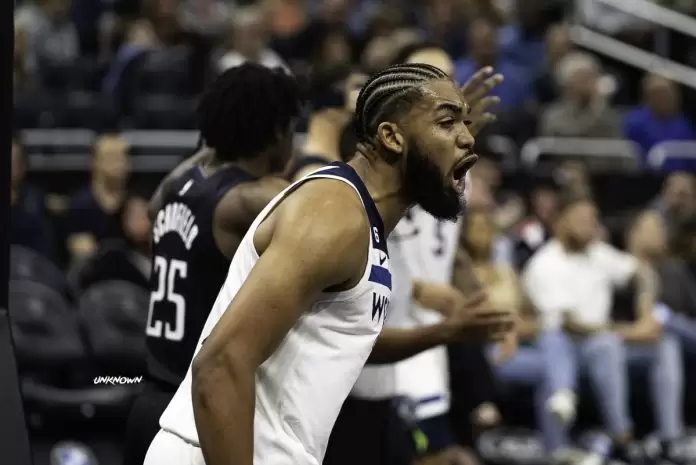
The Minnesota Timberwolves’ bold decision last summer to send Karl-Anthony Towns to the New York Knicks in exchange for Julius Randle and Donte DiVincenzo has proven to be one of those rare trades that worked out well for both sides, according to Jon Krawczynski of The Athletic in his latest mailbag.
For Minnesota, Randle became more than just a replacement on the court – he offered a much-needed combination of production and financial relief.
While Towns carried a significant salary burden, Randle’s cap hit was noticeably smaller, and when paired with DiVincenzo’s deal, the total still came in about $5MM less than Towns’ number last season. That gap gave the Timberwolves something incredibly valuable: flexibility.
Randle himself justified the move with a strong second half of the season and an impactful showing in the Wolves’ first-round series against the Lakers. But perhaps more importantly, his contract opened a pathway for the front office to maneuver around the league’s restrictive second apron rules.
That space allowed Minnesota to reshape its depth chart and stay under the apron without having to sacrifice any of its core pieces, such as Jaden McDaniels, Rudy Gobert, or newly extended big man Naz Reid.
Krawczynski points out that trying to do the same while keeping Towns’ max contract on the books would have been virtually impossible, likely forcing the Wolves into painful decisions about who to keep and who to let go.
In this sense, the deal didn’t just provide immediate on-court help through Randle and DiVincenzo – it also safeguarded the Wolves’ long-term structure, giving them a deeper, more balanced roster moving into this season.
MORE FOR YOU
Meanwhile, New York has been able to maximize Towns’ star power in its own right, making the trade a legitimate win-win.
Wolves Notes: Randle, Beringer, DiVincenzo, Identity https://t.co/J4Yjn5Ixzr pic.twitter.com/CRmTNXqXSe
— Hoops Rumors (@HoopsRumors) September 6, 2025