
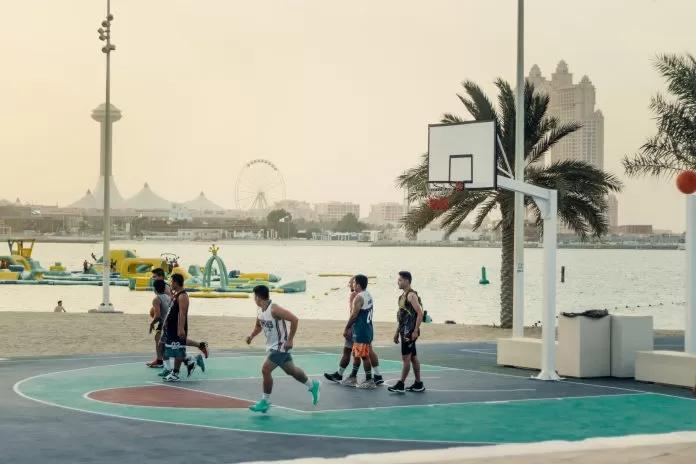
Basketball in the Arab world is catching fire. While places like Lebanon and Egypt might have had a longstanding relationship and tradition with the sport, other regions haven’t had the same exposure until now. The UAE has famously hosted some NBA exhibition games and backed plenty of local leagues, and locals are spending more and more time watching clips on social media, participating in debates, and becoming part of the action. Suddenly, the Arab world is living and breathing basketball, with kids practicing on neighborhood courts and finding role models who make the sport feel like home.
But how did we go from basketball being a niche and overshadowed sport to one that’s gaining immense media coverage and support across the region? Here’s a hint: It’s nowhere near just one factor leading the movement.
The Combination of Local Access and Global Exposure
Accessibility is the number one reason behind basketball’s newfound popularity. Thanks to social media, YouTube, the NBA League Pass, and other digital channels, the game has many fewer barriers to entry. It’s a lot like offering free samples in a new marketplace, where people can get a first taste, enjoy it, and potentially even fall in love with it. Arab basketball fans can now effortlessly stream live games from top leagues, watch highlight reels, and even join real-time discussions with global fans just like everyone else. Basketball was once limited to cable subscriptions and niche broadcasts, but now it’s just a click away.
Accessibility has also come in the form of localization, as Arab-language commentary and coverage bring people much closer to the sport. Rather than see it as a completely foreign spectacle, fans can better understand the plays and engage with the action in a way that’s much more familiar and relatable. Not only is the actual live coverage in Arab languages, but so are the deeper analyses and bonus content for a fuller experience. Now, complex strategy and iconic moments are easier to share with friends and allow the game to grow organically in the region.
Ultimately, localization and accessibility are not simply about convenience but creating that all-important sense of connection for Arab fans. Just like other countries have localized traditions and different approaches to engaging with basketball, Arab audiences are now finding their own ways to do so.
Global Stars with Local Connection
Other than accessibility, another factor bringing basketball into the limelight is the presence of stars who feel relatable to local fans. Those with Muslim backgrounds or Middle Eastern heritage serve as important role models and symbols for young fans, especially. They represent a much smaller pool in major leagues, showing those who have dreams of making it on the global stage that it is indeed a real possibility.
Stars like Hakeem Olajuwon and Abdel Nader are getting sports fans in the UAE, Egypt, Lebanon, and elsewhere to take notice and feel proud that athletes with similar heritage are making their mark internationally. It’s much like the Jeremy Lin “Linsanity” era, when his breakout moment made waves in the NBA and gave an underrepresented community someone to identify with. It became a moment of breaking stereotypes and celebrating cultural identity, inspiring fans who rarely saw themselves reflected on the court.
In turn, kids are more motivated to join school leagues, practice their game, and increasingly engage with basketball as participants and spectators. As role models, media coverage, social media content, and grassroots measures join forces, basketball could become a more visible and influential part of modern Arab sports culture.
Infrastructure and Investment
Once the Arab world realized basketball was taking hold of youth culture and the sports world, governments and investors began stepping up to support it. With so much backing from these big stakeholders, the sport immediately stood a chance at both grassroots and institutional levels. The UAE, for instance, boasts many basketball academies, including premier academy MPAC Sports, Beyond Basketball, and the official NBA Basketball School in Dubai. These programs provide facilities, coaching, and even competitive opportunities to advance their basketball careers.
The Qatar Basketball Federation regularly hosts both community sports events and international tournaments, and the country of Qatar is even set to host the FIBA World Cup in 2027. And then there’s Saudi Arabia, which is investing heavily in sports infrastructure, including several covered basketball courts in the Qiddiya entertainment city. The Arab world has plenty of promise and has outwardly shown a commitment to making basketball accessible to all. Grassroots programs get kids to pick up the sport early, and top-down initiatives provide that structured pathway to progress to professional levels.
With a proper ecosystem for hands-on development and training, fans have many opportunities to play, compete, and deepen their relationship with basketball.
The Digital Age of Basketball Fandom
Basketball fandom all over the world has transformed from sitting in front of a TV or discussing scores at your local bar. Fans are constantly connected to the sport online, through their phones in their pockets and internet platforms on their computer. They can consume the game in multiple ways, whether tracking detailed statistics, playing fantasy basketball, or watching replays to relive the game all over again. While the traditional, in-person energy of being at an event and taking in the atmosphere can’t ever be replicated, the digital world keeps the excitement alive around the clock.
All while sports apps provide Arabic localization, so do other parts of the ecosystem. Gaming platforms, for example, are joining the trend. As sports fandom grows, so does its tightly knit cousin, sports betting. As a result, many fans place bets to up the stakes and add an extra layer of excitement, even to early-season games that normally might seem somewhat tame or unimportant in the grand scheme of an entire season.
Related to that, many of the same people who visit online sportsbooks enjoy other betting activities, whether they be games of chance like basketball-related slots or games of skill like poker between matches. That’s why you’ll find region-specific perks and bonuses for Arabs at emiratescasino.com, features designed specifically for Arab users, and content that resonates more with regional players rather than a general audience. Basketball-related brands and leagues like the NBA even have localized platforms, like nbaarabic on Instagram. Arab audiences can follow more culturally relevant stories and posts, instead of only seeing content that aligns with audiences in the US.
These platforms now have a true agenda: to make engagement more rewarding and relevant. That’s not to say global content is moot, but more so that regional customization helps fans feel seen and valued. It’s similar to the concept of a global coffee chain releasing localized flavors in specific cities or worldwide fashion brands releasing a clothing line inspired by a certain culture. Increasing that connection and familiarity creates a sense of belonging, helping fans feel like the game is larger than life and distinctly theirs.
What the Future Holds
As basketball has come into its own in the Arab world, we can expect more from it. The Arab world could become home to a stronger basketball culture, teeming with structured competitions, bigger regional leagues, and professional opportunities across the Middle East. With many Arab countries funneling investments into sports to diversify their economies, basketball is ready to benefit from more modern facilities, sustained funding, and fan engagement initiatives.
And, of course, digital engagement will only continue to thrive. Fans will stay hyperconnected, receiving basketball news and content that keeps them loyal to the game. In the next five to ten years, could it get to the point where basketball is on par with football in popularity? Could younger audiences become interested in becoming professional basketball players just as much as they dream of playing football? The more role models make their mark on the Arab world and the more local opportunities become appealing to youth, the more likely it is that basketball will embed itself in youth culture.