

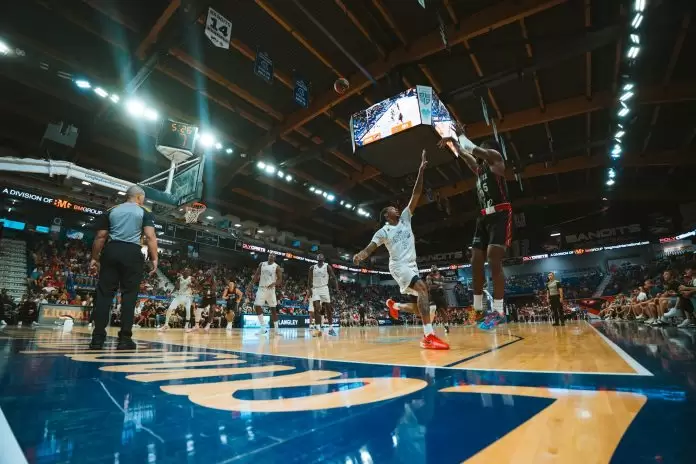
Modern basketball can no longer be reduced to a simple comparison of stars. The focus is gradually shifting from isolated moments to a deeper understanding of what happens on the court, which is especially important for basketball predictions.
How the Role of the Player Has Changed Within the Team
If we recall what basketball used to look like, roles were quite clearly defined. Each player had a specific area of responsibility, and stepping beyond it was seen as an exception. Today, things are different. Players constantly find themselves in situations where they must do more than what is formally expected of them. This is no longer rare — it is part of the game. The same player may initiate an offense, support it, and finish it, all within a single possession. The pace of the game has also changed. There is less time to think, decisions are made faster, and the cost of mistakes has increased. All of this makes the player’s role more complex and layered, shaping a new level of modern basketball.
Why Versatility Has Become a Key Skill
Versatility is no longer seen as an additional quality. Without it, it is difficult to remain competitive. A player who can adapt during a game gives the team more freedom. It allows adjustments without major structural changes. This is especially important when the opponent imposes their own pace or style. Moreover, versatility helps smooth out weaknesses. Even if one aspect of the game is not working, the team can compensate through flexibility. That is why versatile players in basketball form the foundation of consistent results.
Where the System Ends and Individuality Begins
The system sets the framework, but it cannot account for everything. There are always moments in a game where much depends on a single decision — and on who makes it. This is where individual skill comes into play. However, it works best when integrated into the overall structure. A player does not act in isolation — they use the opportunities created by the team. When this balance is disrupted, it becomes immediately noticeable. Either the game becomes too predictable, or it breaks down into isolated actions without a coherent structure.
Why Stars Decide Moments but Do Not Always Define the Game
High-level players are still capable of turning the course of a game. Sometimes one accurate shot or a successful drive is enough to change the situation. But in a broader sense, this is not enough. Even the strongest players need a system that helps them maximize their abilities. This is where it becomes clear how important it is not only to have individual talent but also how the team builds around its leader. That is why the role of leaders in basketball looks different today. It is not just about scoring, but also about the ability to remain part of the overall structure rather than operate outside of it.
How Teams Build Balance Between Players
Balance does not appear on its own. It is the result of precise work. Coaches search for combinations where players complement rather than hinder each other. Sometimes this requires adjustments — redistributing roles, refining tactics, or even rethinking the approach to the game. Maintaining equilibrium is essential. A system that is too rigid limits players, while excessive freedom leads to chaos. Finding the middle ground is not easy, but it is exactly what defines a team’s level and the effectiveness of team play in basketball.
What Elements Make a Team Stable
There are several factors without which this balance does not work: clear understanding of roles without overlap, coordinated actions without unnecessary pauses, readiness to adjust, depending on the situation, balanced workload without overburdening key players. When these elements function together, the team becomes more stable and predictably effective.
How This Affects Playing Style and Results
Balance is reflected in the game immediately, even without detailed analysis. The team looks more organized, movements become more logical, and decisions more consistent. At the same time, freedom of action does not disappear. It becomes part of the system rather than a random element. Players understand when they can improvise and when it is important to maintain structure.
These are the teams that tend to achieve consistent results. They are less dependent on isolated performances and better control the flow of the game, which is directly connected to effective basketball analysis.
Why Some Teams Are More Consistent Than Others
Consistency is rarely accidental. It is usually the result of well-structured interaction. If a team depends too much on individual players, it begins to struggle in difficult matches. If it is too constrained by the system, it lacks flexibility. Balance helps avoid these extremes. It allows teams to respond to changes while maintaining overall control of the game.Conclusion: How to Find the Right Balance in Basketball
Modern basketball does not require choosing between system and individuality. It requires combining both. Teams that understand this play with greater confidence. They handle pressure better, adapt faster, and lose control less often. Ultimately, balance determines how well a team can realize its potential. And the more precisely it is built, the more consistent the results over time.