
NBA teams aren’t really out there selling a logo; they’re selling access to an audience. With the NBA being broadcast to millions, the global League Pass, and players who are active across social media, franchises can offer sponsors a blend of mass reach and targeted engagement. It’s an opportunity that’s easy to prove thanks to the significant NBA-related digital consumption and in-arena demand in recent times.
Start With Audience Fit
The best sponsorship pitches begin with a match between a team’s fan base and a brand’s customer base. Clubs lean on first-party data that comes via ticketing, CRM email lists and online stores to show demographics, location, spending habits and areas of interest. They will then factor in league and broadcast indicators, such as digital views and social engagement. When a team can display reach alongside repeatable engagement, it becomes easier to sell as a package to sponsors.
Package Assets Across The Season
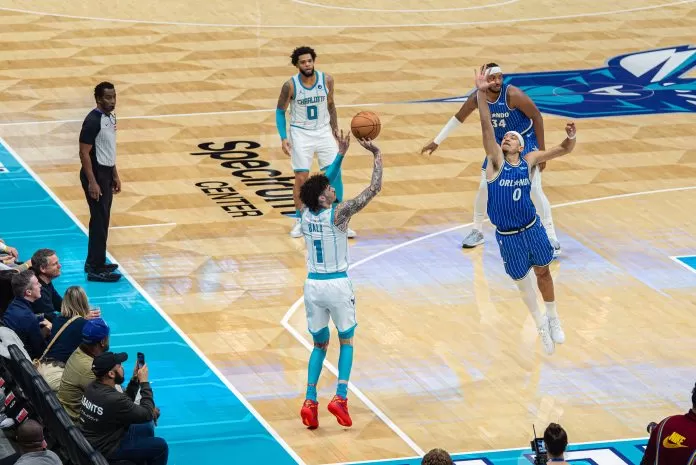
Modern NBA partnerships go beyond being signage only. Franchises build out a menu that brings together a blended physical and digital inventory, which includes LED ribbon boards, in-arena features, concourse experiences, premium hospitality and social media integrations. Patches on the team’s kit remain a flagship team-owned asset because of how visible they are during live games, highlights and on social media. Most teams now have patch partners, with sponsors paying a premium for this relationship.
Partnership To Feel Like Fandom
When partnerships are activated rather than just announced, sponsors will be happy to pay more. The best deals weave a brand into the fan journey, and this is done via fan zones, halftime promotions, seat upgrades, co-branded merch drops and localised programmes tied to youth basketball or education. Franchises will also sell exclusivity, for example, only one airline can be partnered, which prevents sponsor messages from being diluted. If done well, activation turns awareness into interaction, and then interaction becomes trackable via sign-ups, downloads, and sales.
Using Players To Their Advantage
The NBA can call on star power to help its cause, but rights management has to remain disciplined. Teams set out very clear content templates and workflows so brands can collaborate with players in a way that remains both authentic and brand safe. Because roster changes happen, franchises will structure deals around the team brand first, then add player-led content as an activation layer. This approach protects the sponsor’s value while still allowing them to tap into the league’s superstar-driven media ecosystem.
Where Gaming Operators Fit
Sports betting and gaming are now seen as a meaningful sponsorship category, but legitimacy is vital. Teams put emphasis on compliance and responsible-gaming messaging, alongside activations that align with local law. The upside is straightforward for operators. Regulated operators, such as a land-based casino or an online poker site, will see the value in a partnership due to the NBA’s extensive reach. League-level partnerships of this kind will also reassure stakeholders that partnerships sit within defined rules.
Conclusion
Attracting sponsors is only half the job; retaining them for the long-term is what matters. Franchises release post-season reports that cover reach, engagement, lead generation and hospitality usage, then propose improvements such as more creator content or new international activations. In an era where the NBA can point to its enormous digital consumption alongside strong live audiences, the teams that strike the best partnership deals are the ones connecting engagement to business outcomes, season after season.