

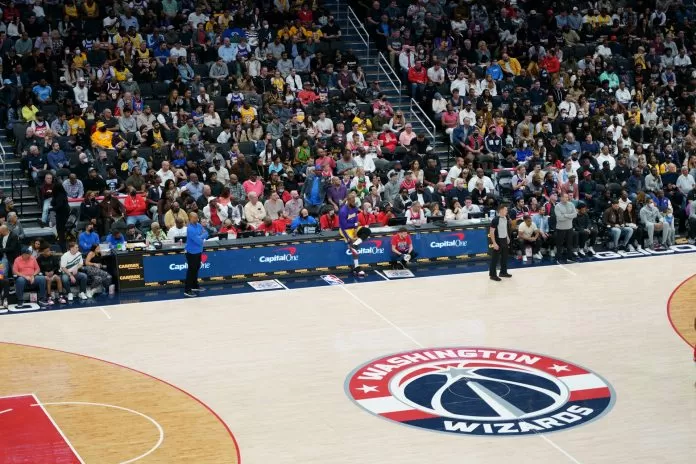
Daily fantasy sports are a familiar part of how fans follow basketball and other major leagues these days. Instead of committing to season-long leagues, players enter contests that last a single night, a single slate or even one game. Daily fantasy sports adds context to box scores and lineups without requiring long-term planning and sites like Underdog Fantasy have helped grow this format by simplifying contest structures and focusing on player performance rather than roster management.
As interest grows, a large share of players are comparing entry offers and looking for an underdog fantasy promo code, with bonuses like WSN’s $75 incentive shaping how they choose to start.
What makes DFS different
The core appeal of daily fantasy sports is immediacy. You are not drafting a roster for months. You are making decisions based on tonight’s games, matchups, and injury reports. That makes DFS especially attractive for basketball fans, where rotations, minutes, and usage rates change quickly.
Most DFS formats reward player statistics rather than team results. Points, rebounds, assists, steals, and blocks all matter. This structure encourages fans to pay closer attention to individual performance trends rather than just final scores. It also explains why DFS discussion often overlaps with advanced stats, matchup analysis, and late news updates.
How Underdog Fantasy contests work
Underdog Fantasy separates itself from traditional DFS platforms by avoiding salary caps and large roster builds. Instead, it focuses on pick-based contests. Players select whether athletes will go over or under a projected stat line. That stat might be points scored, rebounds, assists, or a combination depending on the contest.
This format lowers the learning curve. You do not need to balance salaries or build a full lineup. You are evaluating individual outcomes. For example, whether a guard will exceed a projected points total based on matchup and expected minutes. This makes Underdog particularly appealing to fans who already follow basketball closely but want a simpler entry point into DFS.
Pick’em contests and scoring
The most common contest type on Underdog is the Pick’em format. Users select a small number of player props and combine them into a single entry. The more correct picks, the higher the potential payout structure. However, the difficulty increases with each added selection.
Scoring is straightforward. Each pick is evaluated independently based on the final stat line. There are no lineup optimizations or substitutions. This keeps the focus on research and decision-making rather than platform mechanics. It also explains why Underdog Fantasy often attracts players who prefer analysis over volume.
DFS appeals to modern sports fans
Daily fantasy sports align well with how fans consume sports today. Many viewers watch highlights, track stats in real time, and follow multiple games simultaneously. DFS fits into that ecosystem by rewarding awareness and timing rather than long-term commitment.
Another factor is flexibility. You can participate on a single night or skip weeks entirely. There is no obligation to manage a team over an entire season. That makes DFS appealing to fans who want engagement without responsibility.
Understanding entry limits and responsible play
Underdog Fantasy, like other DFS platforms, sets limits on entries and contest structures. These limits exist to maintain fairness and compliance. Users should understand that DFS outcomes are based on probability and performance, not guarantees.
Responsible participation means treating DFS as entertainment informed by research, not as a predictable income source. Even strong analysis can lose to variance in a single game. Understanding that reality is part of approaching DFS with the right mindset.
Common mistakes new players make
One common mistake is overloading entries with too many picks. While higher pick counts offer larger payouts, they also reduce the margin for error. Another issue is ignoring late news. In basketball, a last-minute scratch or minutes restriction can change the entire outlook of a pick.
New players also tend to rely on name recognition rather than matchup context. Star players do not always outperform projections, especially in tough defensive matchups or limited minutes scenarios. DFS rewards situational awareness more than reputation.
Underdog Fantasy does not replace traditional DFS platforms. It occupies a specific niche focused on simplicity and prop-style gameplay. That niche has grown as more fans look for quick, analysis-driven contests rather than lineup construction.
Its popularity reflects a broader shift in sports engagement. Fans want interaction that complements how they already watch games. DFS, particularly pick-based formats, fits naturally into that experience.
Summary
Daily fantasy sports are no longer a side activity. They are part of how many fans follow basketball and other leagues. Platforms like Underdog Fantasy have helped streamline the experience by focusing on individual player outcomes rather than complex roster management.
A practical understanding of DFS begins with knowing how contests work, what influences projections, and how to manage expectations. With that foundation, DFS becomes another way to engage with the sport rather than a distraction from it.