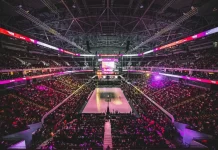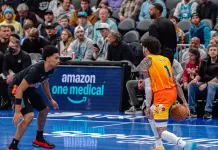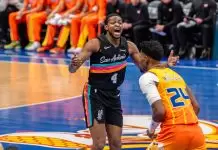


Basketball has always been more than a sport. It is a shared cultural experience shaped not only by what happens on the court, but also by how fans consume, discuss, and reinterpret the game. Over the past decades, basketball media has evolved from newspaper columns and radio commentary into a complex ecosystem of digital platforms, social networks, and fan-driven communities.
Much like entertainment platforms such as Lemon Casino, modern basketball media now operates in an always-on environment where engagement, immediacy, and community interaction matter as much as the core product itself.
Early basketball media: newspapers and radio
In the early days of professional basketball, media coverage was limited and highly centralized. Fans relied on:
- Local newspapers for match reports and box scores
- Radio broadcasts for live commentary
- Weekly sports magazines for analysis and player profiles
Coverage was descriptive rather than interactive. Journalists acted as the primary gatekeepers of information, shaping public perception of teams and players. Fan interaction existed, but it was largely offline — in arenas, local bars, or informal community spaces.
The television era and the rise of global audiences
The introduction of televised basketball marked a turning point. Leagues like the NBA gained massive visibility as games became accessible to national and international audiences.
Television changed basketball media in several key ways:
- Visual storytelling became central
- Star players turned into global icons
- Commentary and studio analysis gained influence
Networks such as ESPN helped standardize basketball narratives, creating shared storylines that united fans across different regions. This era laid the foundation for today’s global fan communities.
MORE FOR YOU
Internet forums and the first online fan communities
The rise of the internet shifted power away from traditional media and toward fans themselves. Basketball forums, message boards, and early blogs allowed supporters to:
- Debate tactics and refereeing decisions
- Share rumors and insider news
- Analyze statistics beyond mainstream coverage
These platforms transformed fans from passive consumers into active participants. Communities began to form around teams, players, and even specific playing styles, creating a more fragmented but also more passionate media landscape.
Social media and real-time basketball culture
Social media platforms accelerated this transformation dramatically. Twitter, Reddit, YouTube, and TikTok reshaped how basketball stories spread and how quickly narratives evolve.
Key changes included:
- Instant reactions during live games
- Highlights shared seconds after key plays
- Direct interaction between players and fans
Players such as LeBron James became media channels in their own right, bypassing traditional outlets to communicate directly with audiences. Fan communities also grew more global, connecting supporters from different continents in real time.
Data, podcasts, and independent creators
Modern basketball media is no longer dominated by a few large organizations. Independent creators now play a central role, producing:
- Podcasts focused on analytics and strategy
- YouTube breakdowns of plays and defensive schemes
- Long-form newsletters and Substack analysis
Advanced statistics and visual tools have empowered fans to engage with the game on a deeper level. Media consumption has become personalized, with users choosing voices and formats that match their interests rather than relying on a single authoritative source.
Fan communities as cultural spaces
Today’s basketball fan communities function as cultural hubs. They are places where identity, humor, debate, and creativity intersect. Memes, fan art, and inside jokes travel as fast as official highlights, shaping how the sport is perceived.
What defines modern basketball communities:
- Strong emotional investment in teams and players
- Collective memory of iconic moment
- Shared language and symbols unique to each fan base
These communities are not limited by geography. A fan in Europe or Asia can be just as involved as someone attending games in person.
Conclusion
The evolution of basketball media reflects broader changes in how people consume and participate in culture. From newspapers and radio to social media and fan-driven platforms, control has steadily shifted toward the audience. Basketball fans are no longer just spectators — they are analysts, creators, and community builders.
As media continues to evolve, one thing remains constant: basketball thrives on connection. Whether through traditional broadcasts or digital communities, the sport’s ability to bring people together remains its most enduring strength.