
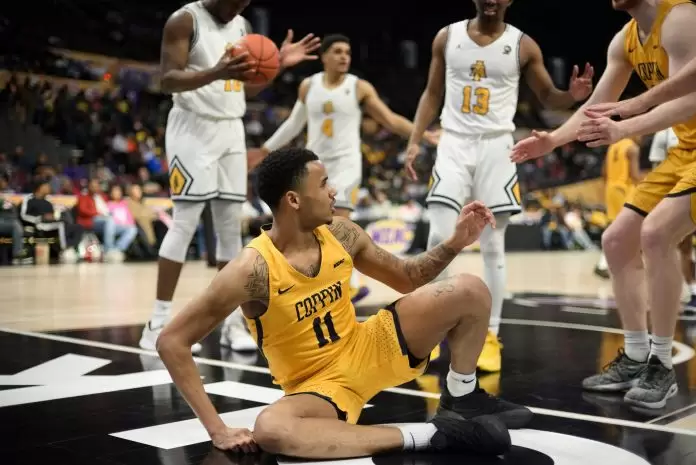
Basketball is a fast-paced, high-impact sport that requires explosive jumps, quick pivots, and constant running. These movements make the knees one of the most heavily stressed joints in a player’s body. Whether you’re a professional athlete or a weekend player, knee pain is one of the most common issues faced on and off the court.
From minor strains to serious injuries, understanding what causes knee pain—and how to treat it—is essential to maintaining long-term performance and preventing chronic problems.
Why Basketball Players Are Prone to Knee Pain
The physical demands of basketball place tremendous strain on the knees. Every jump, sprint, or sudden stop puts pressure on the joint’s cartilage, ligaments, and tendons. Over time, repetitive motion and impact can lead to wear and tear, increasing the risk of pain and injury.
Here are some of the most common causes of knee pain among basketball players:
1. Patellar Tendonitis (Jumper’s Knee)
This condition occurs when the tendon connecting the kneecap to the shinbone becomes inflamed due to repetitive jumping and landing. It’s one of the most frequent overuse injuries in basketball, causing pain just below the kneecap.
2. Meniscus Tears
The meniscus acts as a cushion between the thighbone and shinbone. Sudden twists or pivots can cause it to tear, leading to swelling, stiffness, and difficulty moving the knee.
3. Ligament Injuries (ACL, MCL, or PCL Tears)
Basketball players are at high risk of ligament injuries due to rapid direction changes and hard landings. ACL (anterior cruciate ligament) injuries are particularly common and can be career-threatening if not treated properly.
MORE FOR YOU
4. Runner’s Knee (Patellofemoral Pain Syndrome)
This occurs when the kneecap rubs against the thighbone, often from misalignment or muscle imbalance. It causes a dull, aching pain around or behind the kneecap, especially when climbing stairs or after sitting for long periods.
5. Osteoarthritis or Cartilage Damage
Over time, repeated joint stress can lead to cartilage breakdown, resulting in chronic knee pain and stiffness. Older or veteran players are more likely to experience this degenerative condition.
Early Signs You Shouldn’t Ignore
Knee pain often starts subtly—an ache after practice or mild swelling after a game. However, ignoring these symptoms can lead to more serious injuries. Basketball players should seek medical evaluation if they experience:
- Persistent pain or swelling
- A popping or grinding sound during movement
- Weakness or instability in the knee
- Limited range of motion
- Pain that interferes with walking or jumping
Early diagnosis is key to preventing long-term damage and ensuring a faster recovery.
Effective Treatment Options for Basketball-Related Knee Pain
Knee pain management depends on the severity and cause of the injury. Fortunately, modern medical techniques now allow for effective, minimally invasive treatments that help athletes recover faster and with fewer complications.
Here are some of the most common and effective treatment approaches:
1. Rest, Ice, Compression, and Elevation (RICE)
For mild knee pain or minor strains, the RICE method can reduce inflammation and promote healing. Taking time off the court to rest is essential—continuing to play through pain can worsen the injury.
2. Physical Therapy
A structured physical therapy program strengthens the muscles around the knee, improves flexibility, and restores mobility. Therapists also teach proper movement mechanics to prevent re-injury.
3. Bracing and Supportive Gear
Wearing a knee brace can help stabilize the joint and prevent further strain. Compression sleeves may also reduce swelling and promote circulation during recovery.
4. Image-Guided Injections
Minimally invasive injections such as corticosteroids, platelet-rich plasma (PRP), or hyaluronic acid can relieve pain and inflammation. Image-guided precision ensures that these treatments are delivered directly to the affected area for optimal effectiveness.
5. Minimally Invasive Interventions
When conservative methods fail, interventional radiology procedures can treat pain without the need for surgery. These treatments target the specific sources of inflammation or nerve pain, allowing for faster recovery times compared to traditional surgery.
Basketball players seeking advanced, personalized care can turn to trusted specialists who provide modern, effective knee pain treatment in El Paso. These experts offer cutting-edge solutions designed to relieve pain, restore mobility, and help athletes return to the court safely.
Preventing Knee Pain in Basketball Players
While treatment is important, prevention is even better. Basketball players can significantly reduce their risk of knee injuries with the right habits and conditioning.
1. Warm Up and Stretch Before Every Game
Dynamic stretching improves blood flow and prepares the muscles and joints for intense activity. Include movements like lunges, squats, and leg swings to activate key muscle groups.
2. Strengthen Supporting Muscles
A strong foundation reduces pressure on the knees. Focus on strengthening the quadriceps, hamstrings, calves, and glutes through resistance training and stability exercises.
3. Work on Proper Jumping and Landing Mechanics
Many basketball injuries occur during landings. Learning to land softly—with knees bent and hips engaged—helps absorb impact safely and protect the joint.
4. Choose the Right Footwear
Basketball shoes should provide excellent ankle support, cushioning, and shock absorption. Replacing worn-out shoes regularly can prevent unnecessary joint stress.
5. Don’t Ignore Recovery
Rest and recovery are critical parts of any athlete’s training regimen. Overtraining without adequate recovery can weaken muscles and increase the risk of injury. Incorporate rest days, massages, and foam rolling to keep the knees healthy.
6. Maintain a Healthy Weight
Extra body weight increases stress on the knees during movement. Maintaining optimal fitness not only improves performance but also protects the joints in the long run.
When to Consult a Specialist
If knee pain persists despite rest and basic care, it’s time to consult a medical professional. Delaying treatment may cause chronic pain, joint instability, or long-term mobility issues.
Athletes in Texas can find expert care for sports-related knee pain through specialists offering knee pain treatment in El Paso. These professionals provide advanced diagnostics, targeted therapies, and personalized treatment plans to help basketball players recover quickly and safely.
Their approach combines cutting-edge imaging, minimally invasive procedures, and rehabilitation programs tailored specifically for active individuals.
Getting Back in the Game—Safely
Knee pain doesn’t have to end a basketball player’s career—or even a season. With early intervention, proper rehabilitation, and professional treatment, most athletes can return to full performance without long-term consequences.
By staying proactive, listening to your body, and working with experienced specialists, you can keep your knees strong, resilient, and ready for every jump, pivot, and slam dunk.
Basketball is demanding, but with the right care, you can continue playing the sport you love while protecting your most important joint—the knee.