
Off-ball defense is vital for achieving overall team success, especially for every wing player on the court. Small forwards and shooting guards must use good rotations, positioning, and awareness to defend without the ball well. Effective off-ball defense involves constant focus, quick movement, and full understanding of all defensive principles. These skills help wings contribute to a team’s overall strong defensive performance and ability to limit scoring. This positional mastery helps create turnovers and limit high-percentage scoring chances for the opponent.
Denying Entry and Passing Lane Interception
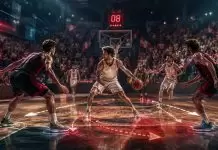
Elite wings must consistently focus on denying their direct offensive counterpart clean entry passes to prevent easy scoring opportunities. This defensive denial positioning involves maintaining a precise angle between the offensive player, the ball, and the basket for successful disruption. Successful denial involves using active hands, maintaining sharp footwork, and positioning the body to contest passes effectively. Upper body strength, developed through regular workouts, helps defenders maintain contact and control during these actions. For example, a great wing defender like Kawhi Leonard positions his body to block the passing lane toward his assignment. Successful pass interceptions require watching the passer closely and predicting the ball’s movement. These turnovers can quickly start fast breaks, giving the team potential easy scoring chances.
Navigating Screens and Staying Attached to Shooters
Offensive coaches design off-ball screens specifically to free up dangerous outside shooters or clear space for isolation plays. Wings must possess the necessary agility and discipline to navigate these physical screens efficiently without getting completely knocked off balance or out of position. The best defense involves chasing a shooter tightly over the screen while a teammate quickly “tags” the screener briefly. A strong shooting guard like Avery Bradley fought hard through many screens to guard threats near the perimeter. This persistent fighting through contact helps maintain tight coverage on dangerous shooters. Successfully defending through screens requires reading multiple variables at once, anticipating movement, and choosing the right reaction in real time. This kind of split-second decision-making is common across many interactive platforms—whether in strategy games, mobile apps, or even an online casino—where users constantly assess risk and adapt to rapidly changing situations. The comparison works because both rely on sharp awareness and the ability to adjust instantly under pressure. Failing to fight through screens can give offensive players open shots from beyond the arc. Consistent screen navigation and timely close-outs can disrupt offensive rhythm and make it harder for the offense to execute its plays.
Mastering Defensive Rotation and Help-Side Positioning
Defensive rotations depend on fast anticipation and coordinated movement as a team across the court. Wings must understand when and how to leave their immediate assignment to provide crucial help defense near the basket on the weak side. The correct help-side position is essential, providing security against drives while still being close enough to recover to the original man quickly. For instance, Mikal Bridges expertly slides down into the paint to stop a driving guard and then closes out hard on the open corner shooter. Effective communication is important in defensive rotations, helping teammates maintain coverage across the court. Mastering help-and-recover action helps reduce open shot opportunities and improves team defensive coverage.
Positional Awareness and Shot Contest on Closeouts
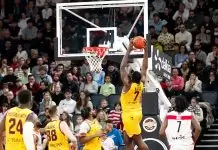
Great off-ball defense culminates when the wing effectively contests a sudden shot after closing out hard on an opponent who just received a pass. Positional awareness requires constant tracking of the ball and all opposing players to respond to offensive action. The defender’s closeout must apply aggressive pressure to create discomfort but remain controlled for good defense. This control is vital to stop the offensive player from easily dribbling past them after receiving the pass. A good wing defender closes out while keeping balance, jumping straight up to challenge the shot. A strong contest blocks the shooter’s view of the basket without the defender compromising their stable stance. Consistent, effective positioning and disciplined shot contests contribute to limiting the offense’s scoring opportunities.