

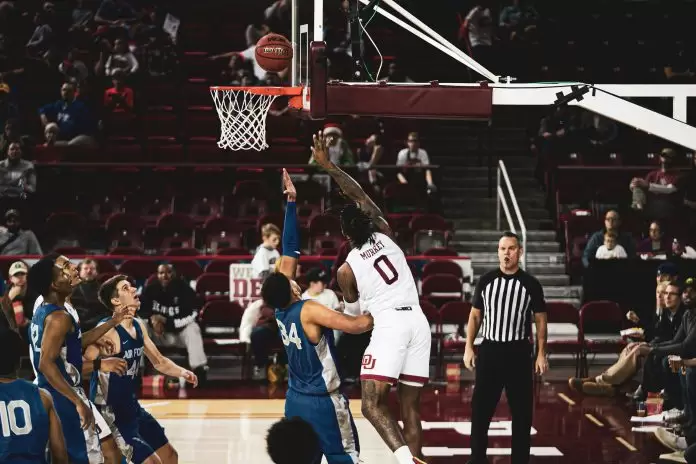
True growth happens where physical performance and mental resilience meet. While self-discipline in basketball is often seen as a purely physical trait—like getting to the gym early or practicing free throws—it is actually a powerful exercise in “executive function.” By training your brain to prioritize long-term goals over immediate comfort, you build “grit,” which directly improves your emotional stability and self-worth.
The habits you develop on the hardwood are more than just sports skills; they are the building blocks for a healthy, resilient mind. When you learn to master the ball, you are simultaneously learning to master yourself.
Training Your Brain Like a Muscle
To understand how basketball helps your mind, we have to look at the “focus” workout. Repetitive drills—like dribbling through cones or shooting from the same spot fifty times—strengthen the prefrontal cortex.
This is the part of your brain responsible for impulse control and staying steady under pressure. When you choose to finish a drill instead of quitting when you’re tired, you are physically re-wiring your brain to handle stress better.
This process also teaches “delayed gratification,” which is the ability to wait for a big win instead of needing a small reward right now. For many athletes, using a structured tool like the Liven app helps bridge this gap, providing mental exercises that complement physical training by tracking progress and building consistency.
By treating your discipline like a muscle, you create a “calm center” in your brain that stays with you long after you leave the court.
Proving to Yourself That You Can
Self-discipline is the foundation of “self-efficacy,” which is a psychological term for believing in your own ability to succeed. Every time you set a small goal—like making twenty free throws in a row—and you actually do it, you are sending a powerful message to your subconscious. You are proving that you are a person who can handle hard things. This builds a core sense of confidence that isn’t based on what others say, but on your own proven track record.
MORE FOR YOU
Having a set practice routine also reduces “decision fatigue.” When your schedule is locked in, you don’t have to waste mental energy wondering if you should work out; you simply do it. This structure provides a sense of control and safety, especially when the rest of your life feels messy or unpredictable. When you keep your promises to yourself at practice, you start to trust yourself more in every other area of your life.
Staying Cool When the Game Gets Hot
The basketball court is a perfect laboratory for learning how to stay steady. In a high-stakes game, it is easy for the “fear center” of the brain to take over, making you feel panicked or reactive. However, a disciplined athlete learns to rely on their habits to stay calm. By focusing on the “process”—your footwork, your breathing, or your follow-through—you prevent your mind from spiraling into “what if” scenarios.
This disciplined focus helps quiet the “inner critic,” that mean voice in your head that worries about failing or looking bad. When you are fully locked into your form, there is no room for anxiety.
Learning to stay “cool-headed” during a close game gives you a template for handling stress off the court, whether that is taking a hard test at school or dealing with a difficult conversation at home.
Why Working Hard with a Team Helps
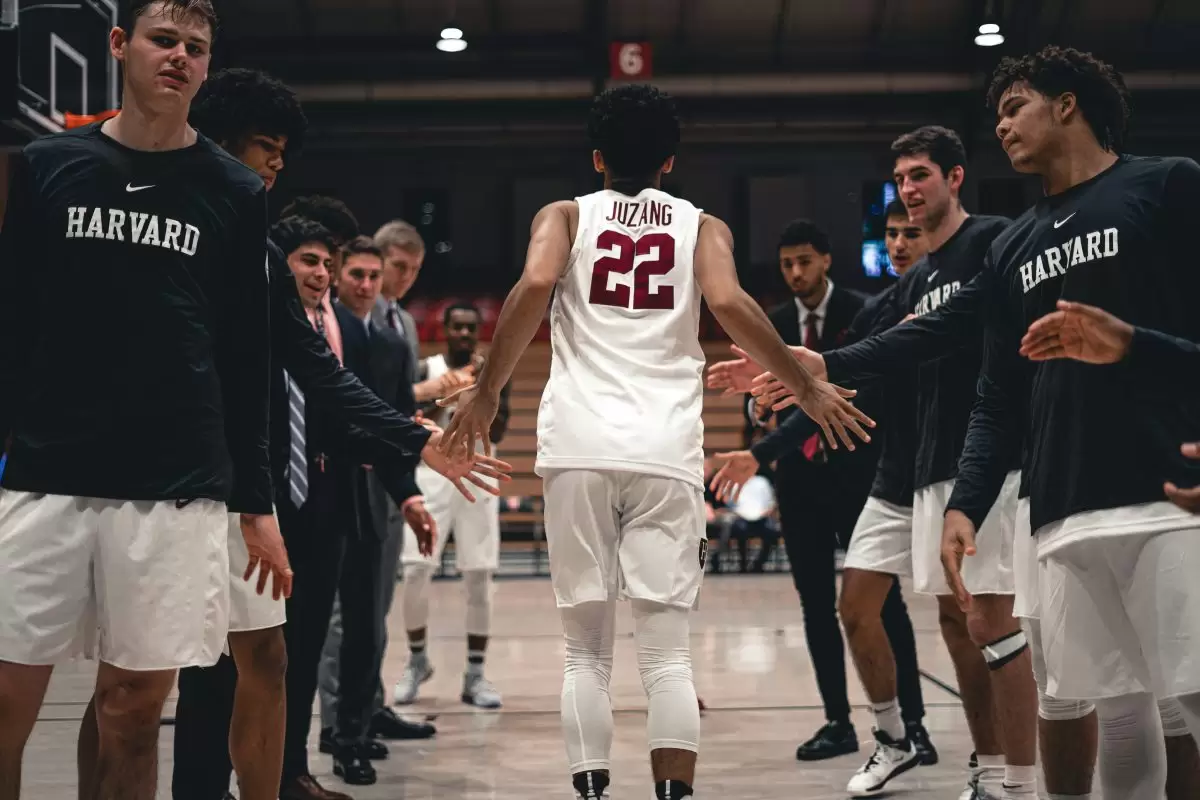
Self-discipline isn’t just a solo journey; it has a major social component that supports your mental health. When you show up for early practice, you aren’t just doing it for yourself—you are doing it for your teammates. This sense of accountability creates a deep feeling of belonging. In psychology, belonging is one of the most important pillars of emotional wellness. It protects you from feeling isolated or alone.
The bond formed through “shared rigor”—sweating through a tough workout together—creates a social safety net. You know that the people around you understand your hard work and respect your dedication. This mutual respect builds a community of support that extends beyond basketball.
Discipline connects you to a group of peers who push you to be better, ensuring that you have a strong support system when things get tough.
Knowing When to Push and When to Rest
True discipline includes the wisdom to know when to stop. There is a big difference between “healthy rigor” and “punishing perfectionism.” While working hard is essential, pushing your body and mind to the point of burnout is actually a lack of discipline. A truly disciplined plan always includes scheduled recovery, sleep, and time to relax.
Rest is not “laziness”; it is a functional requirement for growth. Your brain and muscles need downtime to process what they have learned and to repair themselves. By respecting your need for a break, you ensure that your mind stays sharp and your motivation stays high. Learning this balance on the court prevents “redlining” in your personal life, helping you maintain a steady pace of growth without crashing.
Final Thoughts
The habits you build while playing basketball are “transferable skills.” The focus you use to master a layup is the same focus you will use to master a career or a relationship. The resilience you build after losing a game is the same resilience that will help you bounce back from life’s inevitable setbacks.
You aren’t just practicing to win a trophy or a game; you are practicing to be the best version of yourself. Every drill, every sprint, and every focused breath is an investment in your long-term mental clarity and emotional strength.
The game is simply the teacher; the real prize is the person you become through the process.