
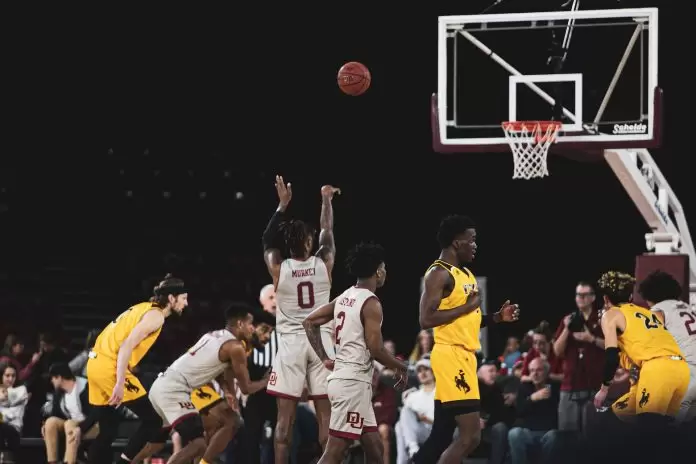
You’ll discover basketball films that transcend sport through intimate character studies and social commentary. From *Hoosiers*’ small-town fundamentals to Spike Lee’s urban poetry in He Got Game, these movies transform hardwood battles into cinematic art.
Whether it’s *Coach Carter*’s academic accountability, *Hoop Dreams*’ unflinching documentary realism, or *The Way Back*’s redemption arc, each film reveals basketball’s deeper truths. The court becomes a stage where coaching philosophy, family dynamics, and cultural identity collide in ways that’ll forever change your perspective on the game.
These films are available across various streaming platforms, or conveniently gathered in one place through a premium IPTV service, with Full HD and 4K quality for a crisp, immersive viewing experience.
10 – Hoosiers (1986)
Gene Hackman’s weathered face tells you everything about redemption before he speaks a single word in Hoosiers, the 1986 masterpiece that transformed the sports film genre.
You’ll witness Norman Dale’s controversial coaching methods clash with small town rivalries as Hickory High’s seven-player roster defies Indiana’s basketball establishment. The film’s genius lies in how it strips basketball to its essence—fundamentals over flash, discipline over talent.
You’re watching more than sports; you’re experiencing the underdog mentality crystallized through Dennis Hopper’s alcoholic assistant coach and the team’s measured offense. Director David Anspaugh frames each game with documentary-like precision, making you feel the gymnasium’s suffocating heat and deafening crowds.
9 – He Got Game (1998)
Lee’s streetball aesthetics transform basketball sequences into visual poetry. You’re watching real players move through Coney Island courts where dreams die and legends are born.
MORE FOR YOU
The father son dynamic transcends sports drama clichés; it’s Shakespeare with jump shots. Ray Allen’s naturalistic performance grounds the film’s heightened reality, while Public Enemy’s score amplifies every confrontation.
You’ll recognize how Lee critiques the NCAA’s exploitation machine without sacrificing narrative momentum. The film doesn’t offer easy redemption—it interrogates whether basketball can heal what ‘s broken.
8 – Coach Carter (2005)
Samuel L. Jackson transforms a true story into cinematic gold through his commanding portrayal of Ken Carter. You’ll witness how academic discipline becomes non-negotiable when Carter locks his undefeated team’s gym, demanding 2.3 GPAs before basketball resumes. The film’s power lies in showing discipline strategies that extend beyond sports—mandatory study halls, progress reports, and ties worn on game days.
You’re watching more than locker room leadership; it’s a blueprint for life transformation. Carter’s methods create ripple effects throughout Richmond, California, where the community impact initially divides residents but ultimately unites them.
The film doesn’t sugarcoat the resistance Carter faces from parents, players, and school boards who can’t see past winning streaks. You’ll find yourself examining how education and athletics shouldn’t compete but complement each other in shaping young lives.
7 – Love & Basketball (2000)
While Carter’s story grounds basketball in harsh realities, Gina Prince-Bythewood’s debut feature explores the sport’s intimate rhythms through Monica and Quincy’s intertwined lives. You’ll witness how their cinematic courtship unfolds across four quarters, mirroring basketball’s structure while examining love’s evolution from childhood innocence to adult complexity.
Prince-Bythewood doesn’t romanticize the game—she reveals how Monica’s fierce ambition clashes with societal expectations while Quincy navigates privilege and pressure. Their romantic teamwork emerges through one-on-one battles that become metaphors for vulnerability and trust.
You’re watching two athletes negotiate personal dreams against shared desire, where every dribble and defensive stance carries emotional weight. The film’s genius lies in treating basketball sequences as extensions of dialogue, letting the court become a space where characters can’t hide behind words.
6 – Space Jam (1996)
The film’s genius lies in its layered basketball satire:
- Jordan plays himself confronting athletic mortality.
- Looney Tunes characters become legitimate teammates.
- Corporate exploitation gets skewered through alien villains.
- NBA stars lose their talents to extraterrestrial theft.
- Warner Bros’ merchandising machine becomes a plot device.
You’ll recognize director Joe Pytka’s commercial sensibilities—every frame sells Jordan’s comeback mythology while deconstructing sports hero worship. The Tune Squad versus Monstars matchup isn’t just entertainment; it’s a metacommentary on celebrity culture’s absurdity and basketball’s theatrical nature.
5 – White Men Can’t Jump (1992)
The film’s genius lies in exploiting racial dynamics through basketball’s unwritten codes. Harrelson’s Billy Hoyle weaponizes stereotypes, letting opponents’ assumptions about white players become their downfall.
You’re watching street culture’s economics unfold—where trash talk matters as much as jump shots, and reading people trumps reading plays.
Shelton doesn’t romanticize the hustle. Instead, he exposes how survival basketball operates beyond conventional sports narratives. You’ll see relationships strain under financial pressure while the Venice courts serve as America’s class battlefield, where desperation and talent collide.
4 – The Way Back (2020)
Redemption rarely arrives through conventional channels, and Gavin O’Connor’s film understands this truth intimately.
You’ll witness Affleck’s Jack Cunningham navigate his addiction recovery through coaching high school basketball, transforming pain into purpose. The film’s power lies in its unflinching portrayal:
- Raw alcoholism scenes that don’t romanticize struggle.
- Basketball sequences shot with documentary-style immediacy.
- Affleck’s method-level performance drawing from personal demons.
- Supporting cast creating authentic blue-collar atmosphere.
- Coaching victories intertwined with personal defeats.
O’Connor frames Jack’s small town comeback through muted cinematography, rejecting sports movie triumphalism.
3 – Hoop Dreams (1994)
When Steve James pointed his camera at William Gates and Arthur Agee in 1987, he couldn’t have predicted he’d capture the most profound sports documentary ever made.
You’re watching five years of longitudinal storytelling that transcends basketball, revealing how systemic inequalities shape American dreams. The film’s community impact resonates through every frame—you’ll see how recruiting practices exploit inner-city talent while families navigate poverty’s cruel mathematics.
What you’re experiencing isn’t just documentary; it’s cinema that dismantles the myth of meritocracy. James’s patient observation transforms high school basketball into Greek tragedy. You’ll witness Gates’s knee injury derail his trajectory, Agee’s family struggle with utilities being shut off, and both teenagers aging before your eyes. The film doesn’t just document; it indicts, making you complicit in understanding how America’s promise fails its most vulnerable citizens.
2 – Uncle Drew (2018)
Basketball legends rarely get their flowers while they can still ball, but Kyrie Irving’s alter ego Uncle Drew assembles a retirement home’s worth of NBA royalty to remind you what greatness looks like with gray hair.
You’re watching aging athletes transform community courts into teaching grounds where muscle memory trumps youth’s raw athleticism. The film’s genius lies in casting actual NBA veterans:
- Shaquille O’Neal dominates as Big Fella.
- Reggie Miller shoots lights-out as Lights.
- Chris Webber anchors as Preacher.
- Nate Robinson brings explosive energy as Boots.
- Lisa Leslie commands respect as Betty Lou.
You’ll recognize the film’s deeper truth—that basketball IQ doesn’t diminish with age. Irving’s prosthetic transformation becomes secondary to the authentic chemistry these legends share, proving championship DNA transcends generations.
1 – Glory Road (2006)
While Uncle Drew celebrates basketball’s timeless fundamentals, Glory Road confronts the sport’s most transformative moment in racial integration. You’ll witness Don Haskins’ Texas Western Miners make history in 1966 by starting five Black players in the NCAA championship game—a decision that forever changed college basketball.
The film’s power lies in showing how team chemistry transcends prejudice. You’re watching more than basketball strategy; you’re seeing young men forge bonds while facing death threats and hatred. Director James Gartner frames each game sequence to emphasize both athletic prowess and social significance.
Frequently Asked Questions
Where Can I Stream or Rent These Basketball Films Online?
You’ll find streaming availability on Netflix, Hulu, and HBO Max for most titles, while rental options include Amazon Prime Video and Apple TV+. Check JustWatch to compare platforms’ current offerings and pricing across services.
Are There Any Good International Basketball Films Not From Hollywood?
You’ll discover compelling international basketball cinema beyond Hollywood’s reach. France’s “Slalom” offers a gripping sports dramedy, while Argentina’s documentary “Básquet 3000” examines youth culture through hoops. Both films showcase basketball’s universal language through distinctly non-American perspectives.
Which Basketball Movies Are Appropriate for Young Children to Watch?
You’ll find “Space Jam” and “Like Mike” perfect for young viewers, blending animated comedies with live-action sequences. These films transform school sports narratives into magical adventures, maintaining basketball’s competitive spirit while ensuring age-appropriate content throughout.
Do Any Current NBA Players Appear in These Films?
Yes, you’ll spot several current stars making appearances. LeBron James and Anthony Davis both feature prominently in “Space Jam: A New Legacy,” where LeBron James leads while Anthony Davis joins the Tune Squad roster cinematically.
What Are the Best Basketball Films Released After 2020?
You’ll find “Hustle” (2022) and “The Redeem Team” (2022) dominate post-2020 releases. Documentary deep dunks into Olympic glory contrast with indie hoopers’ raw street narratives. Both deliver authentic court drama you’re craving through distinctly different cinematic lenses