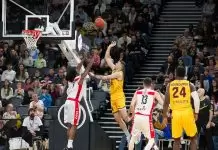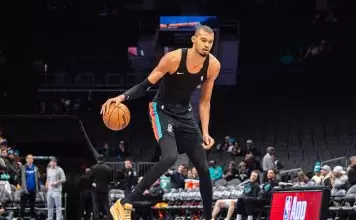


Height matters in basketball, everyone knows that. The NBA favors tall players for obvious reasons, reaching the basket is easier when you’re closer to ten feet than six feet. But short players still make it to the league sometimes and a few of them become really successful despite what looks like an impossible disadvantage.
The Reality of Being Short in the NBA
Most NBA players stand between 6’3″ and 6’9″ already, which is way taller than regular people. Someone measuring 5’9″ or 5’10” in that environment looks tiny when standing next to some of the tallest NBA players. Muggsy Bogues played at 5’3″ and looked like a kid standing next to seven-footers, but despite this he had a 14-year career. Earl Boykins was 5’5″ and somehow scored on defenders who could basically look down at his head without trying.
Speed is the main thing these players rely on, along with ball handling that’s way above average. Court vision matters too. Three-point shooting helps a lot because it’s harder for tall defenders to contest shots when they have to close out from far away. Shorter players have lower centers of gravity which is actually an advantage for quick direction changes, staying in front of defenders on lateral movements. Taller players can’t move their feet as fast usually, the physics work against them.
Examining Physical Advantages via a Height Comparison Chart
Looking at players side by side shows how dramatic the differences actually are. Using a height comparison chart to visualize the height difference between someone like Isaiah Thomas (5’9″) next to Joel Embiid (7′ 0″) can be eye-opening (that’s a 15 inch difference). More than a foot of reach advantage on literally every play. Embiid can shoot over Thomas without even jumping, grab rebounds Thomas can’t possibly reach even with perfect timing. Block shots that aren’t even contestable when there’s that much height gap.
Different Playing Styles Between Heights
Tall players dominate in the paint, short players survive on the perimeter mostly. Not always but that’s the pattern. Seven-footers like Rudy Gobert change games just by standing near the basket, as their presence makes opponents think twice about driving even when they’re not actively contesting. A comparatively short player like Chris Clemons at 5’9″ lives beyond the three-point line where height doesn’t matter as much, more about shooting form and getting the shot off quickly.
Shorter players are almost always faster in straight lines and definitely quicker with direction changes. Physics works against tall people here, longer limbs take more time to redirect, higher centers of gravity make balance harder during cuts and quick stops. Allen Iverson at 6’0″ could blow past defenders who were half a foot taller just through speed and handles that were basically unstoppable.
Conclusion
Every short player in NBA history had to be exceptional at something specific to overcome the height difference with their taller counterparts. Being merely good doesn’t work when competing against people with major physical advantages built in. Nate Robinson at 5’9″ was an explosive athlete with a 43-inch vertical leap, which is insane for any height. Chris Paul mastered running an offense and became one of the best point guards ever despite being 6’0″ in a league that kept trying to go bigger at every position.
Teams take risks on short players less often now than before actually, which seems backwards when you think about how the game changed. Front offices still trust height even when analytics suggest skill matters more for certain positions. Players with smaller stature who make it typically outwork everyone else though, develop multiple skills instead of relying on just one strength. Prove doubters wrong repeatedly until teams can’t ignore them anymore. Height determines a lot in basketball, determines probably too much honestly. But it doesn’t determine everything even though the odds stay heavily stacked against anyone under six feet trying to compete at the highest level of the sport.