
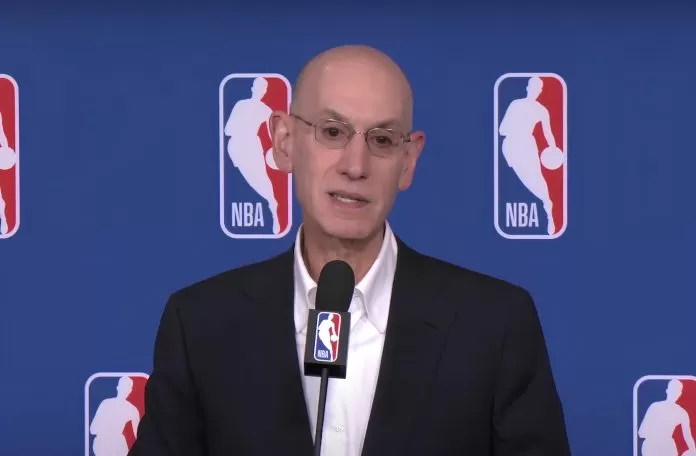
The NBA is moving closer to launching a European league with a proposed 50/50 ownership structure between current NBA owners and European franchises, sources told Tom Friend of Sports Business Journal. Commissioner Adam Silver confirmed that serious discussions with prospective European investors are expected to begin in January 2026.
According to SBJ, the NBA’s 30 existing owners would control half of the league, while European franchises would collectively hold the other 50%, a model similar to the WNBA. Franchise fees are projected between $500 million and $1 billion, with potential investors ranging from soccer clubs and European basketball organizations to private individuals.
The NBA Europe blueprint is still being finalized, including a salary cap, but sources say the financial and operational framework is rapidly taking shape. Silver emphasized the league’s interest in both existing basketball organizations and new ownership groups, signaling a potential mix of traditional European teams and fresh entrants.
Fenerbahce head coach Sarunas Jasikevicius voiced caution about the plan, highlighting the differences between European and NBA basketball cultures. “I think the European basketball model is still the only thing that’s left that I believe is so pure,” he told Eurohoops Turkiye, pointing to the intensity of week-to-week competition and the emotional stakes tied to every game.
Jasikevicius contrasted Europe’s daily “dog fight” atmosphere with the NBA’s longer season rhythm, where losses carry less immediate consequence. He questioned whether NBA-style expansion aligns with the traditions and identity of European basketball, which he says continues to grow organically through fan engagement and competitive balance.
The Lithuanian coach also raised concerns about stylistic uniformity in modern basketball, particularly in the NBA. “They all play the same now,” he said, referencing analytics-driven spacing, pace, and scoring that have reduced tactical diversity. Jasikevicius stressed the importance of preserving creativity and traditional playmaking roles, which he believes are central to the sport’s appeal.
EuroLeague officials have echoed this sentiment, insisting that any collaboration with the NBA must protect European governance and the competitive model. Jasikevicius concluded, “I hope we don’t lose it,” underscoring the need to balance commercial growth with the integrity of European basketball.
With discussions set to intensify early next year, NBA Europe could launch as soon as 2027, potentially reshaping the basketball landscape across the continent while merging financial might with European traditions.