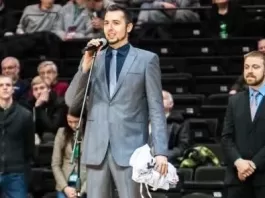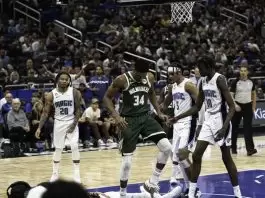
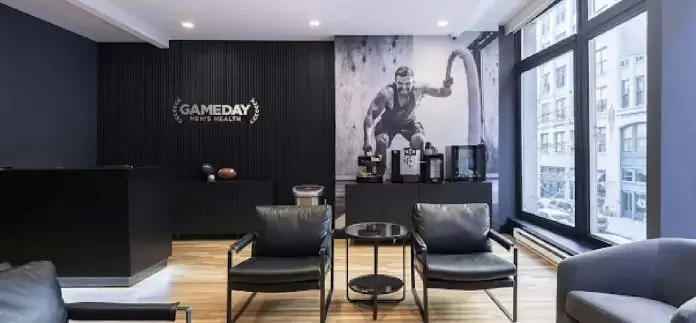
Evan Miller, Ph.D. Is confident in his ambition. One of the fastest-growing testosterone and men’s wellness clinic networks in North America has been created by the founder and CEO of Gameday Men’s Health. And now he’s looking into locker rooms and training facilities across the biggest leagues in sports.
“Yeah—all the above. We are working on many of these initiatives,” said Miller.
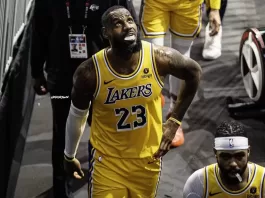
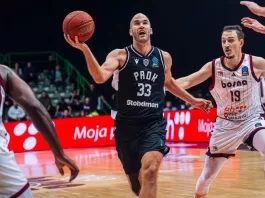
That confidence doesn’t come from hype. It comes from what Gameday has already seen play out: athletes, whether current or retired, and in between, utilizing regeneration and hormone health to sustain their performance and restore what the game has taken from them.
A New Kind of Athlete Partnership
Miller is confident that the strategy will rapidly expand, even though the company has already collaborated with high-profile athletes in motorsports and action sports.
The roster is already full. Players who have retired and have battle scars and lingering aches are joining Gameday not only for treatment, but also as advocates who understand the importance of performance longevity. The latest big move? Santos Sports, a MMA powerhouse known for producing international contenders, is the partner for this partnership.
“A lot of retired athletes are joining the Gameday team. We just partnered with Santos Sports, one of the world’s leading MMA gyms. We’re headed into the NFL; it’s just the beginning for us.”
That’s a statement: Gameday wants to be wherever elite athletes and others to push their limits.
Why the Next Frontier Isn’t Flashy — It’s Functional
Miller doesn’t see expansion as putting logos on jerseys. He is trying to solve a problem that he sees every day.
“Muscle—that’s the big one,” he explains. Weight gain, nagging knees, and shoulders that don’t rotate like they used to are the same challenges faced by aging athletes and weekend warriors. Attempting to get fit again often results in a cycle of soreness and frustration.
Although the 45-year-old executive and the 45-year-old former linebacker have different lives, the same mechanics are still failing.
“As they lift, their shoulders and elbows begin to ache,” Miller says. The goal isn’t to turn everyone into a bodybuilder — it’s to keep them moving long enough to feel like themselves again.
Choosing Which Treatments Make the Cut
New strategies for longevity are constantly being developed, like peptides, shockwave therapy, and regenerative compounds. Men’s health has become a Wild West of optimization hacks and unregulated shortcuts. Miller is adamant that Gameday is not chasing the latest gadget for a quick headline.
The guiding principle: Does this really resolve the pain point?
Therapy that can help a dad keep up with his son on the basketball court or help a retired athlete sleep without hip pain is gaining attention. If it doesn’t? Hard pass.
Your performance is not measured by the trophies you’ve won, but by what your body is capable of doing today.
The Future: Performance for the Rest of Us
Even though Gameday’s strategy is powered by athletes, it is designed for ordinary men who fall into a cycle of discomfort and resignation. Partnerships with professional sports are a way to convey to men everywhere that deteriorating joints and slow recovery are not an inevitable fate. Miller’s argument is uncomplicated: why settle for decline when there are strategies to stifle it? The message’s credibility increases with the number of athletes joining the movement. If former professionals, who broke their bodies for a living, can find some relief, there is hope for all of us.